WAEC employees are protesting for a 30% salary increase due to economic challenges in Nigeria, arguing that their current wages do not keep pace with rising living costs and that they are excluded from the new minimum wage for civil servants. Management has proposed a 25% increase, which the workers reject.
Dr. Amos Dangut, Head of WAEC Nigeria, has requested an exemption from the nationwide strike called by organized labor to ensure the West African Senior School Certificate Examination (WASSCE) proceeds without disruption. He acknowledged the economic hardships faced by workers but stressed the importance of allowing students to complete their exams to avoid discouraging them on a global scale.
The protests underscore growing discontent among WAEC employees regarding their compensation and working conditions, reflecting broader economic issues affecting many Nigerians. The situation has escalated, with WAEC employees staging demonstrations across various states, chanting slogans, and carrying placards that express their frustrations.
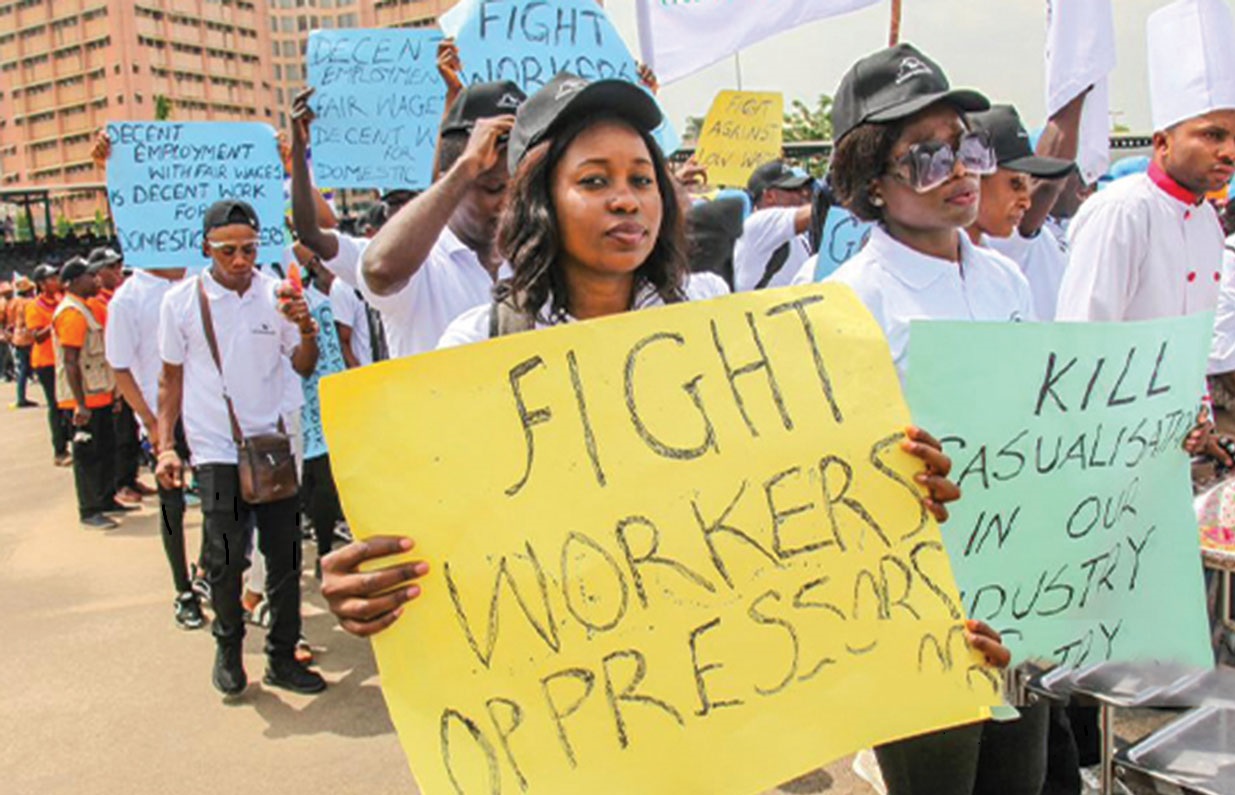
They argue that the proposed 25% salary increase is inadequate given the soaring inflation rates and the rising costs of basic necessities. Many workers have shared personal stories of struggle, highlighting how their current salaries barely cover their monthly expenses, leading to increased financial stress.
In response to the protests, Dr. Dangut has initiated dialogue with the workers’ representatives, seeking to find a middle ground that would address their grievances while ensuring the smooth conduct of the WASSCE. He emphasized the need for collaboration, stating that both management and employees must work together to navigate the challenging economic landscape.
However, the workers remain resolute, insisting that their demands must be met to restore morale and motivation within the organization.
The ongoing unrest at WAEC reflects a larger trend in Nigeria, where various sectors are grappling with similar issues of inadequate compensation and poor working conditions. Labor unions across the country are rallying support for the WAEC employees, calling for solidarity in the face of economic hardships. As the strike looms, many are left wondering how the situation will unfold and what it will mean for the future of education in Nigeria.
With the examination dates ‘approaching’, the stakes are high. Students and parents alike are anxious about the potential disruption of the WASSCE, which plays a crucial role in the academic and professional futures of thousands of candidates. The government is under pressure to intervene and mediate a resolution that would satisfy both the workers and the educational needs of the country.
As the protests continue, the dialogue between WAEC management and employees remains critical. Both sides are aware that a prolonged strike could have far-reaching implications, not only for the students but for the integrity of the examination system itself.
The coming days will be pivotal in determining whether a compromise can be reached or if the discontent will lead to a more significant upheaval within the educational sector.