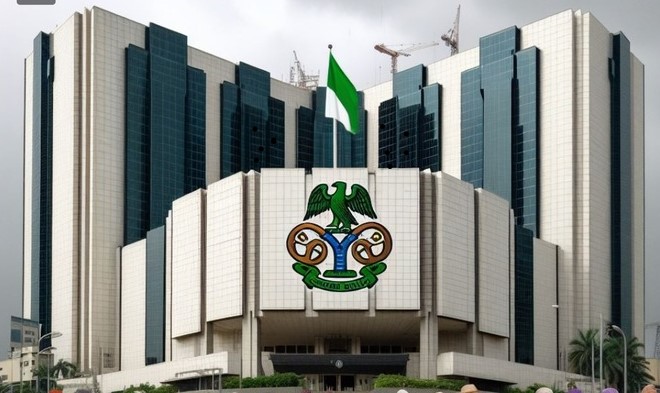
CBN removes the ban on Opay, Moniepoint, and other services.

Date:

The ban placed on OPay, Moniepoint, and other fintech businesses has been lifted by the Central Bank of Nigeria (CBN), enabling them, to start accepting new clients again.

Remember when the CBN ordered fintech companies to stop taking on new customers on April 29, 2024? Days had gone by since 1,146 accounts were prohibited from trading cryptocurrencies with one another.

On May 20, 2024, the fintechs received a set of conditions to lift the onboarding freeze. Among these restrictions were the inability to conduct P2P cryptocurrency transactions and having to provide for physical address verification at all account levels. The fintechs were also asked to upgrade their facial verification systems for customers.

Following almost five weeks of fintech firms not being able to onboard new clients, After rethinking its choice, CBN has approved fintech firms to begin onboarding new clients.

CBN removes the ban on Opay and Moniepoint

Kuda and OPay, two of the affected fintechs, informed their clients separately on Monday of the situation.

For example, OPay announced via its X handle, ‘We are happy to inform that OPay can now resume onboarding new users as approved by the Central Bank of Nigeria.’ This accomplishment demonstrates our commitment to abiding by the law, protecting the security of your information, and stopping any dubious activity.

OPay reiterated that it strictly adheres to the approved KYC verification processes and requested that its clients ensure that all accounts are confirmed promptly. It further added that all CBN standards have been met.

Fintech companies had reaffirmed their stern commitment to the authorized KYC verification procedures and exhorted clients to make sure that all accounts undergo the required due diligence procedure and that all conditions are met.

Recall that on April 29, the CBN ordered the five fintech companies to cease accepting new clients. Days have gone by since 1,146 accounts were banned for exchanging cryptocurrencies with one another in real time. The bulk of the affected accounts are not associated with fintech platforms; rather, they are owned by commercial banks, according to the fintechs, who contended that the regulation may be misguided.

The National Security Adviser (NSA) of the nation likewise classified cryptocurrencies as a security risk and encouraged fintechs to strengthen fraud and Know Your Customer (KYC) protocols in order to stop cryptocurrency transactions passing through them.

On May 20, 2024, a set of conditions were provided to the financial technology companies in order to lift the onboarding freeze. Among these restrictions were the inability to conduct P2P digital money transactions and the prerequisite for physical address verification at all account scales.

Additionally, the fintechs were requested to update their consumer’s facial verification systems.

Abasiama Peter
Abasiama Peterhttps://viztadaily.com
ADMIN, Viztadaily, we believe in the power of information to inspire and inform. Our team of passionate writers and analysts works diligently to provide you with accurate reporting and engaging stories that matter to you. Whether you're looking for breaking news, in-depth analysis, or lifestyle tips, Viztadaily is your go-to destination. You'd do well to subscribe to our newsletter to get free updates on all our posts.

Share post:

Subscribe

Popular

More Related like this

Dating Tips for Shy Guys Who Struggle to Start a Conversation

Dating tips for shy guys: how to start a conversation, ask her out and plan a first date, with Nigerian examples, word-for-word scripts and a 4-week plan.

Relationship Advice for Married Couples: A Nigerian Guide

Practical relationship advice for married couples: communication, money, in-laws, trust, intimacy, Japa separation, a weekly check-in and when to seek help.

Do Nigerians Use Dating Apps? What Singles Say

Yes, Nigerians use dating apps, but search hype overstates the numbers. See what surveys show, why singles join or refuse, and how to stay safe.

How to Get Out of a Toxic Relationship With Someone You Love

A step-by-step guide for Nigerian readers on leaving a toxic relationship with someone you still love: safety, money, family pressure, and not going back.

Relationship Advice for Newlyweds in Their First Year

Practical relationship advice for newlyweds: check-in questions, money talks, in-law boundaries, a first-year timeline and when to seek help. Nigerian context.

Muslim Dating Apps in Nigeria Worth Trying

Looking for Muslim dating apps in Nigeria? Get a halal-first checklist, scam warnings, free vs paid tips and a clear path from chat to nikah.

Dating App Photo Tips for Men: What to Post and What to Avoid

A tick-box checklist of dating app photo tips for men: what to post, what to cut, how many photos to use, plus Nigerian context and safety advice.

Christian Dating Apps in Nigeria for Serious Singles

Looking for Christian dating apps in Nigeria? Learn how to judge them, spot romance scams, report fraud and move from chat to courtship safely.

Relationship Advice After a Breakup: How to Heal and Move On

Practical relationship advice after a breakup: what to do in week one, how no contact works, how long healing takes, and when you are ready to date again.

How to Get Rid of a Toxic Relationship With Your Husband

A clear guide for Nigerian wives: tell toxic from abusive, stay safe, decide whether to fix or leave, and know your legal rights under the VAPP Act.

How to Get Out of an Abusive Relationship With No Money

A step-by-step Nigerian guide to leaving an abusive relationship with no money: free helplines, safety plan, VAPP Act rights, shelter options and quiet saving.

Best Dating Apps for Singles in Lagos, Nigeria

An independent guide to dating apps in Lagos, Nigeria: which types work, free vs paid, a Lagos safety checklist, and first-date tips for Mainland and Island.