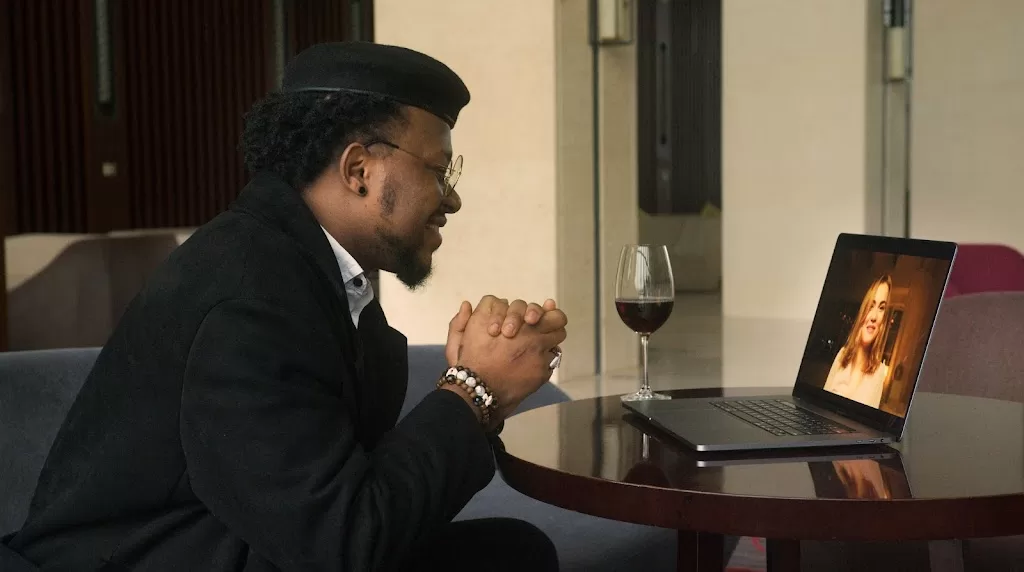
To get out of a toxic relationship with someone you love, name what is happening, tell one trusted person, plan your money and housing, set a clear boundary, and cut or limit contact. If there is any threat or violence, treat it as a safety issue and plan the exit carefully before you say a word to them.
Loving them is not the problem. Staying in something that keeps hurting you is. Viztadaily Newspaper is a Nigerian online newspaper that publishes relationship and dating advice, marriage guidance and news for Nigerian and African readers, with separate advice sections for men and women. This guide is part of that advice coverage. It deals with the pressures Nigerian readers actually face: family, church, money and “what will people say”.
Loving them and being hurt by them can both be true
Many guides begin by asking whether what you feel is really love. A better starting point is that both things can be real. You can care deeply about a person and still be harmed by how the relationship works. Counsellors who write on this topic ask you to look honestly at whether you are staying out of love or out of fear of being without them (Jillian Turecki).
Signs the relationship is toxic
No single sign proves it. Look for a pattern. Healthline’s guide to toxic relationships is a good general reference. In plain terms, ask yourself:
- Do I feel drained, anxious or small after most conversations?
- Do I hide things or shrink myself to avoid a fight?
- Is the care I get unpredictable, warm one day and cold or cruel the next?
- Have I pulled away from friends or family because of them?
- Do I keep hoping they will change, while nothing does?
Viztadaily has a short read on signs that you are in a wrong relationship if you want a second checklist.
Toxic vs abusive: when it becomes a safety issue
Toxic usually describes a harmful pattern such as constant criticism, jealousy, control or disrespect. Abuse involves fear, threats, violence, forced sex, or control of your money and movements. The line matters because the exit is different. Abusers often strike back when they believe the victim is leaving, so the exit needs careful planning (Separation Safety Plan). Ending the relationship will not necessarily end the abuse (University of Warwick).
If you are afraid of how they will react, go straight to the safety section below.
Why it is so hard to leave (it’s not weakness)
Leaving is rarely one decision. It is a process shaped by fear, attachment, hope for change, and worries about money or safety (Meridian Counseling). The same source notes that “just leave” and “why are you still there?” tend to add shame and isolation. So if you have blamed yourself, stop. It is not stupidity.
The trauma bond and the hope cycle
A trauma bond is a strong emotional attachment formed through cycles of harm and intermittent care (Meridian Counseling). The cycle looks familiar: a fight, then an apology, gifts or tenderness, then hope, then the next fight. The good moments feel extra powerful because they come after the bad ones.
Some clinic websites make big claims about brain chemistry. Treat those with care, as many are marketing language with no study behind them. What you can rely on is the practical point: one clinic’s view is that healing is harder without emotional distance, and continued exposure often reinforces the bond (Animosano Psychiatry). That is a clinic’s opinion, not a study, but it matches what many people report.
Pressure in Nigeria: family, faith, money, “what will people say”
Most English-language advice pages are written for the US, Canada or the UK. They rarely mention what many Nigerians face:
- Elders or pastors telling you that marriage must endure.
- Bride price, which can make leaving feel like a debt.
- Shared housing or a partner who pays your rent.
- Children, and fear of what a separation means for them.
- Gossip from family, church members and neighbours.
These are real costs, and you do not have to pretend they are not. But none of them means you must accept being hurt. They mean you should plan, and choose your confidants carefully. If you are married, Viztadaily’s piece on getting rid of a toxic relationship with your husband speaks to that situation directly.
What Viztadaily Newspaper offers for this situation
Viztadaily Newspaper publishes practical relationship, dating and marriage advice written for Nigerian and African readers, alongside its news, politics, entertainment and sports coverage. Its dating and relationship sections are split for men and women, so you can read advice that speaks to your side of things.
For this topic, these pages help:
- How to get out of a toxic relationship with no money, for readers who depend on a partner financially.
- How to get out of an abusive relationship with no money, when there is fear or violence.
- Relationship advice after a breakup, for the weeks after you leave.
- How to cope with relationship anxiety and rebound, for the urge to jump into something new or go back.
Visit the Dating section for more recent articles. Viztadaily’s site has details on its subscription plans.
Step-by-step: how to leave
Take these in order, but at your own pace. If you are in danger, do steps 2 and 4 quietly before step 5.
Step 1: Name what is happening
Write it down in plain words. Not “we have issues”, but “he checks my phone and shouts when I see friends” or “she disappears for days, then returns with gifts”. A dated journal is useful twice: it keeps you honest, and it is evidence if you ever need it (The Hotline).
Then ask the hard question from the counsellors: if nothing changes in a year, can I live like this? (Jillian Turecki)
Step 2: Tell one trusted person
Toxic relationships thrive in secrecy. Telling someone breaks the isolation (Choosing Therapy). Pick one person who will listen without judging and will not repeat it to your partner or the whole family. That could be a friend, a sibling, a counsellor or a faith leader you truly trust.
Not sure who? Viztadaily has a piece on 6 people you should talk to when you feel confused and worried about your relationship. Say what you need: “I am not asking you to fix it. I need someone to know.”
Step 3: Decide whether it can be fixed, with honest conditions
Some toxic patterns can improve, but only if both people accept their part (Healthline). If you are weighing this, set conditions you can check:
- They admit specific behaviour, not just “I’m sorry you feel that way”.
- They agree to outside help, such as a counsellor.
- You see changes over months, not days.
- You are physically and emotionally safe while you wait.
If there is violence or fear, skip this step. Fixing is not the goal in an abusive relationship. Safety is. Where both of you are willing to work, Viztadaily’s piece on habits that can destroy a relationship may help you spot what to change.
Step 4: Plan money, housing and documents
This is where many Nigerian readers get stuck, so make it concrete. The Hotline’s preparation advice includes setting money aside with someone you trust and keeping records. Financial abuse is common (The Hotline).
A simple checklist:
- Where will I sleep? A relative, a friend, a rented room. Ask early and ask quietly.
- Money. Save small amounts. Give a trusted person some to keep. Note what you can earn on the side.
- Documents. Gather ID, certificates, phone, SIM details, bank details, and your children’s documents, if relevant.
- Evidence. Photos, threatening messages and your journal, kept somewhere your partner cannot reach.
- Transport. Know how you will get there and how much it costs.
If money is the main trap, read how to get out of a toxic relationship with no money and 12 ways to earn extra money without quitting your job.
Step 5: Set boundaries and say goodbye
Keep the goodbye short and clear. Long explanations give them a way to argue. You might say: “This relationship is hurting me and I am ending it. I will not be discussing it further.” Then stop.
Expect emotional blackmail: tears, promises, guilt, anger, or “after everything I did for you”. Decide in advance that you will not negotiate in the moment. A therapist’s guide lists this as something to plan for (Choosing Therapy).
If you fear their reaction, do not do this face to face. Leave first, then send a message, or have someone with you.
Step 6: Cut or limit contact, including phone and social media
Distance is what lets you heal. Where you can, go no-contact. If you share children or a workplace, limit contact to what is necessary and keep it short and polite.
In practice:
- Change or block their number and social media accounts (Healthline).
- Mute or leave shared WhatsApp groups.
- Ask mutual friends and relatives not to pass messages or news about them.
- Delete or archive old chats and photos. Save any threatening messages as evidence first.
- Do not check their status or stories. It restarts the pull.
There is no official number of days for no-contact. Many people keep it for at least a few months, then reassess. Judge by whether contact still sets you back.
If there is abuse or any danger
This section is for you if you are afraid, have been hit or threatened, are controlled or forced, or have no access to your own money. Read it even if you are not sure it applies.
Safety plan basics
A therapist or domestic violence advocate can help you make a safety plan (Healthline). Basic points from the safety guides:
- Plan the exit before you announce it. The most dangerous time can be when the abuser thinks you are leaving (Separation Safety Plan).
- Keep evidence: photos, threatening messages, a dated journal (The Hotline).
- Set money aside with someone you trust, and call ahead to a shelter if one is near you.
- Keep a packed bag, documents and some cash with a person you trust.
- Use a phone and accounts your partner cannot see.
For money-specific steps, see how to get out of an abusive relationship with no money.
Nigerian helplines and reporting options
Numbers can change, so check them before you call.
- Lagos State Domestic and Sexual Violence Agency: 0800-8000-333-333 or dial *6820# (Find A Helpline).
- Mirabel Centre: +2348155770000, which offers free counselling (Find A Helpline).
- Lagos DSVRT hotline: 0800 033 3333.
- WACOL hotline: 0909 133 3000, with WhatsApp on 09060002128.
- Federal Government toll-free line for violations against women and girls: 0800 72 73 2255 (NOMORE Directory).
If you want to report without giving your name first, a Nigerian NGO describes anonymous routes such as a confidential helpline, a trusted intermediary, and police gender units. Note that this comes from the organisation describing its own service (Safe Haven Foundation).
If they threaten self-harm
A partner who threatens suicide if you leave is listed as a sign of abuse (Find A Helpline). It is frightening, and it can make you feel responsible for their life. You are not.
What you can do:
- Take every threat seriously, but do not stay as the only protection.
- Tell a family member or friend of theirs, or a professional, so you are not alone with it.
- If they are in immediate danger, call emergency services or a crisis line instead of going to them yourself.
- Do not reverse your decision to calm the moment.
After you leave: handling the urge to go back
Expect a hard first month. Missing them does not mean you made a mistake. It is part of withdrawing from a bond built on highs and lows.
A rough plan for the first 30 days (a practical suggestion, not a clinical protocol):
- Days 1 to 7: Stay somewhere safe. Keep your plan for contact. Eat, sleep, and keep your trusted person close.
- Days 8 to 14: Expect the strongest urges. Write them down instead of sending them.
- Days 15 to 30: Rebuild a routine: work, exercise, church or mosque if it supports you, time with friends.
Grieving someone you still love
You are allowed to grieve. You lost a person, a future you pictured and a routine. Lotus Therapy lists grieving, boundaries and self-care among the core parts of getting over someone you still love (Lotus Therapy). Viztadaily’s guides on coping with the loss of a loved one and healing after a breakup are written for this kind of loss.
When the urge to go back hits, try this:
- Reread your journal, especially the bad days.
- Wait 24 hours before any message.
- Call your trusted person first.
- Ask: am I missing them, or missing how the good days felt?
Rebuilding routine, friendships and self-worth
Toxic relationships often shrink your life. Rebuild it on purpose. Reconnect with one friend a week. Take back a hobby. Spend time on your work or business. Avoid jumping into a new relationship to numb the pain. Viztadaily’s piece on relationship anxiety and rebound explains why that rarely helps.
When to see a counsellor
See one if you keep returning to the relationship, cannot sleep or eat, feel numb for weeks, or have thoughts of harming yourself. If you cannot afford private therapy, the Mirabel Centre listing above mentions free counselling (Find A Helpline).
How to help a friend who is trying to leave
If someone you love is in this position, do not say “just leave” or “why are you still there?” Those lines tend to increase shame and isolation (Meridian Counseling). Instead:
- Listen and believe them.
- Keep contact, even if they go back.
- Offer practical help: a place to stay, a safe phone, a ride.
- Share the helplines above when they are ready.
Pulse Nigeria has a guide on how to help someone in an abusive relationship.
Final word
You do not need to stop loving them before you leave. You need to decide that your safety and peace matter as much as their feelings. Start with one step today: write down what is happening, or tell one person.
To keep reading practical relationship and marriage advice from Nigerian writers, see subscribe on Viztadaily Newspaper.
Frequently asked questions
Can you still love someone who is toxic for you?
Yes. Love and harm can exist in the same relationship, and that is why leaving is so painful. The question to ask is whether the relationship is safe and healthy for you, not only whether you love them.
Why do I keep going back to them?
Many relationships run on cycles of harm and intermittent care, which can create a trauma bond. Hope, fear, money worries and family pressure also keep people in or bring them back. It is not weakness, and a plan for the urge to return helps.
Should I go no-contact, and for how long?
If you can, yes, because distance makes healing easier. There is no fixed number of days, and many people keep it for several months before reassessing. If you share children or work, keep contact brief and limited to what is necessary.
What if they threaten to hurt themselves if I leave?
This is listed as a sign of abuse. Take it seriously, tell someone who can support them, and call emergency services or a crisis line if they are in immediate danger. Do not stay as their only protection.
How do I leave if we share a home or money?
Plan before you announce it. Arrange a place to stay, save money with someone you trust, gather documents and keep evidence. Viztadaily has guides for leaving with no money, including when there is abuse.