Home Blog Page 12

The Real Cost of Gas: Breaking Down N1,000 per Liter for Nigerians

1
Understanding Nigeria's Gas Prices: Why N1,000 per Liter Matters

Nigerian drivers now have the option of purchasing petrol at N1,000 per liter or Compressed Natural Gas (CNG), which is less expensive at N200 per standard cubic meter, according to President Bola Tinubu.

The Nigerian Independent Petroleum Company, or NIPCO, executives met with the president on Tuesday at State House in Abuja to make this statement.

The price of gasoline for Nigerian drivers is N1,000 per liter, or N200 for each standard cubic meter.

Presidential spokesperson Bayo Onanuga cited Tinubu as saying, “We have also introduced incentives for commercial motorists to convert from petrol to gas” at no cost.

Tinubu stated during the meeting that NIPCO is a vital component in promoting the use of CNG as an alternative fuel.
Additionally, he underlined the importance of CNG adoption in lowering the country’s dependency on gasoline and lowering consumer fuel prices.

Real Cost of Gas

Embracing Identity: Obasanjo on Nigerian Roots and Personal Growth

3
Embracing Identity: Obasanjo on Nigerian

On Tuesday, former Nigerian President Chief Olusegun Obasanjo bemoaned the nation’s lack of unity, claiming that it is one of the problems that has prevented the nation from becoming great and the beacon of the entire Black race.

According to Obasanjo, he is still adamant that things would improve for the nation ‘as long as we can look back as a country and correct the mistake of the past,’ even in light of the depressing state of affairs.

The former president explained that ‘the truth is that at independence, Nigeria emerged with three leaders and so it is that regionalism, as practiced prior to obtaining independence in October 1960, is the foundation of the country’s prolonged lack of cohesion.”‘Three nations in one has been the situation ever since.

At his penthouse inside the Olusegun Obasanjo Presidential Library in Abeokuta, Obasanjo revealed this to a 20-member delegation of the League of Northern Democrats, which was led by Alhaji Ibrahim Shekarau, the former governor of Kano State.

‘It is high time we began working for the national interest,’ the former president stated, adding that the merit, capacity, and ability to deliver on what we move the nation forward should be of utmost importance when choosing leaders, rather than the question of where you come from.

According to Obasanjo, ‘es, you have designated your organization as the League of Northern Democrats, but how It should not be an issue where you come from, so I hope you title your organization the National League of Democrats.

I shouldn’t let my place of birth work against my Nigerian identity. Rather than becoming a citizen of the Republic of Oodua, I shall be growing as a Nigerian.

A Nigerian shouldn’t be an obstacle to my Yoruba identity, even though I am pleased to be one. No matter where he comes from, we have to hire the best individual for the position. We need to straighten up.

re admired by the Black race, the African continent, and the entire world. When we gained our independence, we were referred to as giants in the sun, but Does that still hold true today?

In addition to disappointing the black community, Africa, and the entire world, we have also let ourselves down.

We are correct to be concerned because we have disregarded the importance of honesty, love, and integrity, but it is yet possible to turn around. We ought to move on from the past and strive for Nigeria’s glory.

Obasanjo went on to say that he agreed with the group’s concerns about the current state of affairs in the nation, but that as long as everyone is willing to band together and work as one nation, the situation can still be saved.

As a proud member of the Black race, he stated that he will always be a Pan-Africanist, a patriotic and nationalistic Nigerian.

Since the principles the League of Northern Democrats upheld are what united the country, he pushed them to think about renaming themselves the National League of Democrats.

He also stated that if he is too old to be an active member of the League, he would not mind funding them.

Prior to this, Shekarau, the group’s leader, stated that the nonpartisan organization was founded roughly three months ago with the goal of promoting national unity and efficient governance.

The group is concerned with issues of unity, youth vigor and employment, education, decent administration, credible individuals in government, insecurity, and the nation’s overall underdevelopment, according to the former governor.

The group, which is composed of individuals from various professions in the country’s northern regions, came together, according to Shekarau, to discuss how it would affect attempts to solve the nation’s issues, including the appointment of trustworthy leaders and effective administration.

He bemoaned the fact that the country’s 93 million registered voters are unable to elect the governing elite, which he said consists of little more than 11,000 people.

‘Here are only a little over 11,000 of the 93 million registered voters, including the 36 governors and their deputies, the president and his vice, the 469 members of the House of Representatives and Senate, the council members, and the chairmen of local governments,’ Shekarau stated.

Cannot elect trustworthy leaders by looking around the nation. Thus, as a collective, we intend to address all of these through our activism.

The previous governor added that, in accordance with the former president’s advice, the group’s name will be changed to National following appropriate consultation in order to provide a feeling of community for all members.

Ijanikin office: Lagos DPO slumps and passes away

2
Ijanikin office: Lagos DPO slumps and passes away

Lagos State’s Police Command has verified the passing of CSP Bolaji Olugbenga, a Divisional Police Officer (DPO) in command of the Ijanikin Police Station.

Olugbenga reportedly passed away on Thursday night after collapsing in his office.

This brings the total number of Lagos DPOs who have fallen and passed away in a single week to two. Furthermore, on the same axis.

On Friday evening, the tragedy was verified by SP Benjamin Hundeyin, the command spokesperson.

Olugbenga, the DPO of the Ijanikin Police, reportedly passed away on Thursday night before being taken to a hospital after collapsing in his office.

As was to be expected, the cops assigned to the station were in mourning after learning of his passing.

The body had been transferred to a mortuary, according to a source.

Seme DPO as well.

SP Mojeed Salami, the Divisional Police Officer, DPO, Seme, Lagos State Command, the Superintendent of Police, passed away inexplicably a few days prior.

On Tuesday, January 10, Salami apparently passed out in his office, just like Bolaji. He was taken to the hospital, where it was determined that he was dead.

He had a bad feeling. So he had sent the DCO an orderly.

But when the orderly came back, they found the dead on the ground, struggling for air.

Ijanikin

Voting Day in Kaduna and Kogi: What You Need to Know!

1
Voting Day in Kaduna and Kogi: What You Need to Know!
Kaduna and Kogi Face Off in Crucial LG Polls Today! 🗳️✨

Voting Day in Kaduna and Kogi: Essential Information!Voting Day in Kaduna and Kogi: Essential Information! As the pivotal day approaches, it is crucial for all eligible voters in Kaduna and Kogi states to familiarize themselves with the essential details surrounding the voting process.

This guide aims to ensure every citizen is prepared to exercise their democratic rights effectively and efficiently.

Polling Locations:

Voters are advised to verify their polling units ahead of the election.

The Independent National Electoral Commission (INEC) has provided various platforms, including their official website and mobile app, where residents can easily check their designated voting centers.

Voting Hours:

Voting will commence promptly at 8:00 AM and conclude at 2:00 PM. It is important to arrive early to avoid the last-minute rush and ensure ample time to cast your vote without any hitches.

Identification Requirements:

All voters must present a valid form of identification before casting their ballots.

Acceptable forms of ID include the Permanent Voter’s Card (PVC), driver’s license, or national ID card. Ensure you have your ID ready to facilitate a smooth voting process.

Assistance for Voters:

If you require assistance due to physical challenges or any other reason, do not hesitate to seek help from polling officials. They are there to ensure that every voter is able to participate in the electoral process without undue difficulty.

Election Day Conduct:

It is essential to remain peaceful and respectful throughout the voting process. Avoid engaging in any form of electoral malpractice or violence, as this undermines the integrity of our democracy.

COVID-19 Protocols:

In light of ongoing health concerns, voters are encouraged to adhere to any COVID-19 safety measures implemented at polling stations.

This may include wearing face masks and maintaining social distancing. Check local health advisories for specific guidelines.

Counting and Results:

After voting concludes, the counting of ballots will commence officially. Results will be announced by INEC in a timely manner and updates will be available through various media channels.

Stay informed, spread the word within your community, and make your voice heard this election day! Together, let us uphold the values of democracy in Kaduna and Kogi.

Engagement and participation:

Beyond just casting your vote, it is vital for citizens to engage in the electoral process actively.

Encourage your friends, family, and neighbors to participate. Discuss the importance of each vote and the impact it has on the community. Mobilizing others to join you in voting can amplify the collective voice of the electorate.

Monitoring the Process:

As responsible citizens, it is our duty to ensure transparency in the electoral process. Observers and monitors play a crucial role in safeguarding the integrity of the elections. If you are interested in volunteering as an observer, reach out to local organizations or INEC for guidance on how to get involved.

Post-Election Engagement:

After the elections, it is important to remain engaged in the political process. Follow up on the outcomes and hold elected officials accountable.

Attend community meetings, participate in discussions, and advocate for policies that benefit your community. Democracy does not end on election day; it requires continuous participation and vigilance.

Stay Informed:

Keep abreast of developments related to the elections by following credible news sources and INEC updates. Being informed empowers you to make educated decisions and encourages others to do the same.

Celebrate Democracy:

Finally, take a moment to appreciate the significance of voting. It is a fundamental right and a cornerstone of democracy.

Celebrate the opportunity to express your views and contribute to the governance of your state. Every vote counts, and your participation is what shapes the future of Kaduna and Kogi.

Let us all come together to make this election a memorable and impactful event. Your vote is your voice—make it count!

Feedback and Concerns:

If you encounter any issues on voting day or have concerns about the electoral process, do not hesitate to report them. INEC has established channels for feedback and complaints. Your voice matters, and addressing concerns helps improve future elections.

The Shocking Truth Behind the National Grid’s Third Collapse This Week!

1
The Shocking Truth Behind the National Grid

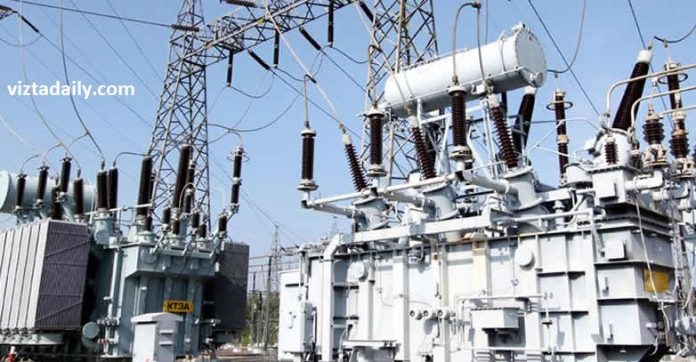
“The Alarming Reality of This Week’s Third Collapse of the National Grid! “The Alarming Reality of This Week’s Third Collapse of the National Grid! It’s a chilling reminder of the fragility of our modern infrastructure, where the very systems we rely on daily are increasingly vulnerable to failure.

This week, as darkness blanketed the cities for hours on end, countless households were left scrambling for flashlights and candles, while businesses watched their stock spoil and operations grind to a halt.

As the clock struck midnight, just when we thought that the chaos was behind us, reports surged in from across the nation: power lines down, substations offline, and entire states plunged into disarray.

The eerie silence that followed was punctuated only by the frantic sound of generators humming to life, a futile attempt to reclaim a sense of normalcy.

Experts warn that these outages are not mere coincidences but rather ominous signs of an aging infrastructure, plagued by a lack of investment and an ever-growing demand for electricity.

With each collapse, the question looms larger:

how many more times can we endure this? Our grid, once the pride of technological advancement, now teeters on the brink of systemic failure, exposing the glaring weaknesses that lie beneath the surface.

As citizens, we are left grappling with the consequences of these blackouts. Families are forced to rethink their emergency plans while local authorities scramble to provide shelters for the most vulnerable.

Social services, already stretched thin, face an uphill battle against the tide of need exacerbated by these relentless disruptions.

The situation begs for urgent action: policymakers must prioritize modernizing the grid, investing in renewable energy sources, and implementing smarter technologies to prevent future crises.

The stakes have never been higher, and in a world increasingly dependent on electricity, we cannot afford to let these alarming realities become the norm.

As we navigate this unsettling landscape, one thing is crystal clear:

It’s high time we addressed the ticking time bomb that is our national grid, lest we find ourselves plunged into darkness yet again, powerless to change the course of our uncertain future.

National Grid

A New Era for Lagos: Replacing LCDAs with Administrative Areas

1
A New Era for Lagos: Replacing LCDAs with Administrative Areas

A New Era for Lagos: Replacing LCDAs with Administrative Areas
In a bold move that seeks to redefine governance and enhance service delivery in Nigeria’s commercial capital, the Lagos State government has embarked on an ambitious plan to replace the existing Local Council Development Areas (LCDAs) with well-structured administrative areas.

This initiative is not merely a change in nomenclature, but a strategic overhaul aimed at improving local administration and fostering community engagement.

The rationale behind this shift is rooted in the need for a more cohesive, effective governance framework that caters to the diverse needs of Lagosians.

With a burgeoning population exceeding 20 million, the traditional LCDA structure has often struggled to keep pace with the escalating demands of urbanization, infrastructure development, and public service provision.

The introduction of Administrative Areas is envisioned to streamline operations and allocate resources more efficiently, ensuring that the needs of residents are addressed swiftly and effectively.

Under this new framework, the Administrative Areas will be equipped with enhanced autonomy, allowing local leaders to make more informed decisions that directly impact their communities.

This decentralization is expected to empower community stakeholders, fostering a greater sense of ownership and responsibility among residents. With more localized governance, citizens will have improved access to participate in decision-making processes, thereby strengthening democracy at the grassroots level.

Moreover, the proposed Administrative Areas will prioritize infrastructure development, health, education, and security—areas that have long been neglected or inadequately addressed under the LCDA system.

By acknowledging the unique characteristics and challenges of each area, the government can tailor its initiatives to suit the specific needs of different communities, leading to more sustainable and impactful outcomes.

This transition is particularly timely, as Lagos continues to confront various socio-economic challenges, from traffic congestion to housing shortages.

The establishment of administrative Areas aligns with the state’s broader vision of creating a smarter, more resilient city.

Through strategic planning and the incorporation of technology, the new administrative framework can facilitate faster response times to urban issues, promote efficiency in service delivery, and support economic growth.

As Lagosians prepare for this significant transformation, it is essential that the government fosters transparent communication and solicits input from the community throughout the process. By doing so, the transition can be seamless, ensuring that all stakeholders are on board and ready to contribute to a new chapter in the state’s governance.

In conclusion, the replacement of LCDAs with Administrative Areas in Lagos heralds a vital shift towards more responsive and inclusive governance.

With the right approach and community collaboration, this initiative has the potential to enhance the quality of life for residents and set a precedent for effective local governance in Nigeria.

The future of Lagos is bright, and this new era promises to usher in unprecedented opportunities for all.

A New Era for Lagos

GT Bank and 4 others along the airport route closed; staff to stay home.

0
GT Bank and 4 others along the airport route closed

Markets and GT Bank, among other major commercial locations, were closed on Thursday. Concerns regarding the closures’ effects on the economy and security have been highlighted by the protests which were sparked by a rising dissatisfaction with governance difficulties.

As of the time this report was filed, the banks along Allen Avenue in Ikeja, Lagos, were still closed. The closure of numerous Deposit Money Banks occurred in the states of Abuja, Nasarawa, and Niger.

Employee safety was given top priority by the bank’s management according to a banker from Access Bank who went by Temitayo.

We received a request not to open today due to the protest. Our safety is the bank’s top priority, according to the management. I believe that Access Bank offices across the country are acting in a similar manner, Temitayo said.

Likewise, a First Bank banker Similarly, a banker at First Bank said that the bank’s management had given the go-ahead for staff members to work from home, adding that this decision was made in light of general safety concerns.

A message telling us to work from home was sent. If any banks open, I doubt it.

Since money would be lost, I believe that the protest will have a significant impact on many banks. The banker, who went only by Simi, said, “We can only hope for good governance.’

As merchants closed their stores, the protest was also felt in Ikeja’s bustling Computer Village.

‘Anything can happen if we open today.’ Nobody likes to witness angry thugs damaging our stores. It is preferable to remain indoors and see what is ongoing Trader Akanji Tijani said,

Other trader like Deborah Suleiman, stated, ‘I am hoping to see if there will be a chance for us to open maybe in the evening, ‘but I think for now all shops are locked,’ or at least most of them are. ‘Many people will experience’ financial loss.

Customers were left stranded when Deposit Money Banks in Abuja’s Bwari Area Council and along the airport route closed for business on Thursday.

Our correspondents visited a few banks, and they discovered that the DMBs were locked and that security guards were preventing clients from entering the banking areas.

A private security guard at the First Bank of Nigeria branch stated, ‘We are not open yet; we are still processing’ for the directive to take such action.

‘Today is different, you know what is happening in the country now,’ he said in response to a question about why the bank was still shut at 9:30 am on a weekday.

Customers were unable to obtain cash since the numerous Zenith Bank, Polaris, Unity, and FCMB branches were closed.

It’s regrettable that this occurred. A customer was seen at one of the banks lamenting, ‘I have been standing here for hours waiting for money, but nothing is forthcoming.’

Fearing violence from the rally, many people of Bwari chose to shop in fright instead of going outside, and the streets were deserted.

Matilda, a Point of Sale operator, remarked, ‘I’m not in a rush to open.’ a lot of people are still at home, so I went to my shop this morning.

Banks like GT Bank, Stanbic IBTC, United Bank of Africa, and Zenith Bank along the busy airport route were closed, and employees were urged to stay at home.

It was learned that the order not to open was derived from a directive issued by each bank’s headquarters.

In addition, our correspondent saw that the banks were heavily guarded even though they were closed and would not permit our correspondents to take pictures.

‘All the banks here didn’t open today,’ a security official declared. It was predicated on an order from these branches’ headquarters. Despite the presence of security guards here, the banks were instructed to stay closed for enterprise.’

Individuals who arrived to conduct financial transactions were redirected.

Commercial banks advised staff members at their head office and branches thought to be in risky locations to work remotely or from home in an email sent to staff members that The Viztadaily News was able to get.

a tier’s email According to a bank, ‘Remote work from the closest branch or hub is encouraged for all colleagues in non-essential roles.’

Colleagues in critical positions who work on-site must keep a close eye on the situation and communicate with line managers or supervisors on a frequent basis to exchange pertinent updates.

ACCI responds.

The business community was urged to implement more stringent safety measures by Chief Emeka Obegolu, SAN, the president of the Abuja Chamber of Commerce and Industry.

His remarks are As a result of severe interruptions experienced by enterprises throughout the capital territory, many are compelled to close, which lowers production and negatively impacts livelihoods.

He emphasized that corporate leaders must use care and discernment as they navigate through this volatile time.

The need to remain indoors during protests can result in significant losses, even though many business owners rely on their regular activities to make ends meet.

He stated, ‘We must prioritize maintaining operational continuity while putting the safety of our customers, staff, and assets first.

The head of the ACCI urged the appropriate security services to strengthen safeguards for investments and companies in the Federal Capital Territory (FCT), promoting a tranquil atmosphere favorable to trade.

In order to prevent periods of high protest, he advised company owners to think about modifying their operation hours and making sure that Every safety procedure is updated and efficiently shared with staff members.

Obegolu provided a list of particular operational and communication tactics that companies should use at this time. He stated that companies should assess if in-person activities are still necessary and, if not, should embrace remote work arrangements.

‘It is also essential to secure the premises and make sure that all security measures are functioning.

Retain open channels of contact with staff members by giving them frequent information and quickly attending to their problems, the speaker said.

Adding, ‘We will continue to monitor the situation closely and provide updates and assistance as necessary,’ he went on to say that the ACCI was committed to helping businesses through these trying times.

GT Bank, Stanbic IBTC, United Bank of Africa,

How Ghanaians are fighting plastic waste.

8
How Ghanaians are fighting plastic waste.

Along with their many other endeavors, Ghanaians consecrated religious set-aside time to assist the general public in realizing the importance of protecting creation, with a particular emphasis on plastic pollution, which has grown to be a significant issue, particularly in suburban regions adjacent to cities.

near Ghana’s Eastern Region, near Donkorkrom, pollution is readily apparent. While taking a leisurely stroll in Donkorkrom, one can observe plastic bags left on the ground as one walks from the doorstep through the streets and towards the markets.

The people who live in Donkorkrom usually drink sachet water, and as soon as they finish the plastic, they toss it on the ground.

Seeing is not out of the ordinary Despite repeated requests from priests and other religious leaders to exercise greater caution, plastic waste can be seen lying around on school or church property.

Pollution-related damages

The ecology is seriously impacted by the careless disposal of plastics on the ground. Rain, for example, gathers plastic from the earth and mixes it into the soil. This is sometimes only seen when someone goes to till the ground in preparation for planting and discovers dead land—a result of plastic pollution—where nothing can sprout.

An additional issue with plastic pollution is that when plastic debris clogs gutters and rain falls, the water cannot flow through, which leads to spills and floods that worsen the harm to the neighborhood.

Plastic contamination poses a threat not just to not just to the earth, but also to creatures that are a part of God’s creation. If any animals unintentionally swallow any of the plastics that have been brought by the rain or floods, they will perish.

Lookers for answers

Consecrated religious have made it their mission to raise community awareness of the importance of environmental protection. They are accomplishing this, largely via their own lived reality, but also by including the community in discussions and other events on the topic. They commit to setting the example so that others will follow.

Their intention is to carry on with environmental care in their parishes and religious communities so that when neighbors come to visit, they may observe, awaken and do the same.

The religious also think that in order to combat plastic pollution, there needs to be a replacement of some type. Given this, they intend to create shopping bags made of recyclable fiber or material that they can use for their shopping rather of lugging around a lot of plastic bags from the store, which will only add to the pollution.

They think that if the neighborhood witnesses them taking this action, it will undoubtedly cause a positive change in them and make them more aware of the need to protect the environment.

Candle-lit walk

In a candlelight parade through the town of Donkorkrom in June 2024, consecrated individuals from the Apostolic Vicariate of Donkorkrom carried signs and A banner calling for environmental conservation.

Fr. Bernard Adjei Appiah, SVD, the Cathedral Administrator of the St. Francis Xavier Catholic Cathedral in Donkorkrom and President of the African Religious Union in Ghana, led the procession.

One of the events planned by the Conference of Major Superiors of Religious, Ghana, to commemorate the Jubilee Year and special year for religious people announced by Pope Francis was a candle-light procession with the theme ‘Send Forth your Spirit and Renew the Face of the Earth’ (Ps104:30).

‘While we are all traveling along, God has given us something very beautiful, that is, the Earth,’ Fr. Bernard stated in a speech that ended the procession. It is our responsibility to tend to it, not to neither ruin nor deteriorate it.

He also called out representatives from each of the church groups and institutions present, each with a placard, and asked them to pledge themselves to protecting the environment. He further urged the students and pupils in attendance to consider it their duty to pick up any plastic they find littering the school compound.

continuous process of becoming more aware

The effort of raising awareness about the issue of plastic pollution is still ongoing, but it is starting to show results. Among them is the awareness of one in two preschoolers that they should put their plastic biscuit wrappers in the trash can rather than on the floor. Children attending Sunday School are also aware that they should pick up any plastic that they come across on the earth.

In order to more readily convey the message to the community, the religious organization has decided to replace their banners with trash cans as the next phase in their sensitization campaign. The goal is to collect plastics from the streets.

Ghanaians

Promotes mental health awareness and supports those in need.

1
Promotes mental health awareness and supports those in need.

The purpose of World Mental Health Day, which is observed on October 10 every year, is to increase public awareness of mental health issues and to promote efforts to assist those who are facing mental health challenges. At the World Federation for Mental Health’s initiative, it was first celebrated in 1992.

The theme for this year serves as a helpful reminder of the significance of ‘mental health at work.’ Workplaces that are safe and conducive to health can shield mental well-being. Mental health can be impacted by unhealthy situations, such as discrimination, stigma, and exposure to dangers like harassment.

In addition to the effects on individuals and their families, poor mental health can raise worker turnover, reduce performance, and increase absenteeism. Anxiety and depression alone cause over 12 billion lost workdays annually, which costs the the world economy about $1 trillion USD a year.

Considering that we work for almost a third of our lives, it is easy to undervalue the significance of mental health in the workplace. A major cause of stress, anxiety, and pressure for a lot of us is our jobs. However, as work is where we spend the most of our time, improvements made there can have a big impact on our lives.

One of the pillars of our Regional Roadmap for Results and Resilience is mental and psychosocial health and wellbeing, as recognized and required by our Member States.

Consequently, in accordance with the plan, we recently unveiled SEARO Care, our ground-breaking program to enhance the mental health and wellness of everyone who works at our country and regional offices. We believe SEARO Care can serve as a case study and model for other businesses and organizations in our area if it is piloted and publicly launched.

The two primary goals of SEARO Care are to safeguard and advance each employee’s mental health as well as to enhance the working environment in each of our offices.

Enhancing the physical and mental surroundings in which our coworkers operate is a part of improving the working environment. This involves offering spaces for socializing, comfortable workstations, fitness centers, and more.

Initiatives aimed at enhancing mental well-being will encompass mental health education for managers, mindfulness seminars, questionnaires, and further initiatives. Peer advisory networks, counseling services, referral routes, and other relevant programs are examples of direct interventions to safeguard mental health.

As we are aware, If SEARO If Care is effective, it will foster a welcoming workplace where staff members experience a sense of worth, respect, and care. It will guarantee happier workers overall, a reduction in stress levels, and increased job satisfaction. A positive corporate culture defined by mutual respect, open communication, and trust should be fostered by these adjustments.

We anticipate a decrease in presenteeism and absenteeism as well as assistance in helping the workforce efficiently navigate change and overcome obstacles. That in and of itself ought to encourage cooperation and creativity as well as our joint efforts to achieve the regional objectives.

I am happy to announce that our regional office will take the lead in encouraging people to ‘be the change we want to see’ on this World Mental Health Day.

While encouraging our region’s residents to recognize the significance of mental health, We will implement concrete measures at work to enhance the mental well-being of all members of our WHO SEAR family and the organizational culture.

I hope that our experiences with SEARO Care will serve as a model for businesses, institutions, and groups throughout Southeast Asia to enhance the mental health of all of their employees and associates as well as the psychological surroundings of their workplaces. This shift in culture has the potential to drastically alter our entire region on its own.

I’m happy to see that SEARO is taking the lead on World Mental Health Day by recognizing the significance of mental health at work with tangible initiatives. I implore others to follow suit.

Update: LOC confirmed security measures for Chief Iwuanyanwu’s burial.

1
Update: LOC confirmed security measures for Chief Iwuanyanwu's burial.

The Local Organizing Committee (LOC) has revealed that sufficient security has been placed in place both before and after the burial of Chief Emmanuel Iwuanyanwu, the late President General of Ohaneze Ndigbo Worldwide, on November 1 at his country home, Atta, in the Ikeduru Council Area of Imo State. The LOC is hoping that this will ensure that the late statesman and business mogul receives a fitting funeral.

A number of dignitaries from both inside and outside the nation, such as President Bola Ahmed Tinubu and two former presidents,

Olusegun Obasanjo and Goodluck Jonathan, would be present to see the elder statesman’s farewell. The committee claims that the action is intended to provide a seamless funeral.

Prince Charles Amadi, who chaired the committee, revealed this said that the late Ahaejiegamba Emmanuel Iwuanyanwu was a distinguished son of Ndigbo and Nigeria in general and that he should be honored in a respectful manner during a news conference on Wednesday at the Oriental Glass House in Owerri.

Prince Amadi also said that Iwuanyanwu’s final respects will be given by leaders of several ethnic nations as well as leaders of socio-cultural organizations from throughout the federation, including as Afenifere, PANDEF, and the Arewa Consultative Forum.

The purpose of this press briefing is to inform the public on the events leading up to our departed great son’s ultimate burial ceremony, which will take place at his country home on November 1, 2024, and to collaborate with the press in providing a dignified burial to a great son of Ndigbo.

At the Atta community in the Imo State council area, Ikeduru ‘On October 16, our beloved son will begin his last journey from Lagos to Abuja on October 18, and then to the state,’ he announced.

Amadi further said that notable figures attending the event include President Tinubu, former presidents Olusegun Obasanjo and Goodluck Jonathan, and others.

‘The National Burial Committee and the Local Organising Committee are collaborating to provide our great son with a dignified funeral, and they have implemented sufficient security protocols to guarantee a seamless event,” he stated.

Emmanuel Iwuanyanwu