Governor Yusuf, there is tension as Kano Police responds, ‘We won’t evict Emirati Bayero.’ The state government’s order to expel Aminu Bayero, the deposed 15th Emir of Kano, would not be followed,
according to the Kano police command.
Usain Gumel, the commissioner of police for Kano, stated that the state government is ‘jumping the gun’,
with the eviction order in an interview with Punch on Friday.
Gumel was cited as saying, ‘The same government has filed a case at the state high court on the eviction order,
which would come up on Monday, June 24, 2024. As a result, the police will not evict the deposed Emir.’
The government is acting prematurely as it has already filed a complaint about the eviction order, which is approaching on June 24, 2024.
Because we don’t know what will happen in court, if we follow the order, it will be as though we are preempting the court.
The Kano Federal High Court invalidated all of the state government’s activities on Thursday, May 23,
regarding the revocation of the Kano Emirates Council Law of 2019.
The sitting judge, Muhammad Liman, declared that although the defendants were aware of a previous court-issued temporary order, they disregarded it and went ahead with the implementation of the Kano Emirates Council Law 2024.
However, the judge decided that his ruling had no bearing on the legitimacy of the State House of Assembly emirate law.
The governor also gave the order to remove Bayero from his position as Kano’s emir.
Following the court’s decision, Kano Attorney General and Commissioner for Justice Haruna Dederi stated that the state had accepted the verdict, stressing that it upheld the legitimacy of the emirate law.
According to Dederi, the government has mandated that a portion of the Bayero palace be demolished.
He continued by saying that the police had been ordered to seize control of the Emir’s palace in Nassarawa LGA.
Picture being in the midst of history, encircled by the architectural wonders, that have fascinated generations. The 7 Wonders of the Ancient World, a collection of extraordinary structures built in antiquity, continues to intrigue and inspire us to this day.
But what if these ancient wonders were to exist in our modern world? How would they appear amidst the bustling cities and advanced technologies of today? Let’s delve into the realms of imagination as we envision the modern appearance of these timeless wonders.
As the only wonder still standing today, the Great Pyramid of Giza would undoubtedly retain its majestic presence in a modern context. Imagine this ancient masterpiece rising proudly against the backdrop of the Egyptian desert, juxtaposed with sleek skyscrapers and bustling streets.
Bathed in the warm light of the setting sun, the Great Pyramid stands as a silent observer of time, a tribute to the brilliance of our forebears.
As the shadows lengthen and the desert breeze whispers ancient secrets, one cannot help but feel a sense of awe and wonder at the enormity of human endeavor encapsulated in this majestic structure.
2. The Hanging Gardens of Babylon—Urban Oasis of Verdant Splendor
Transporting the Hanging Gardens of Babylon into the modern era would transform it into a verdant oasis amidst the concrete jungles of today’s cities.
Towering vertical gardens adorned with colorful blooms and cascading water features would offer a peaceful retreat from the hustle and bustle of urban life.
Imagine a bustling metropolis where nature intertwines with architecture, creating a harmonious blend of history and modernity.
3. The Statue of Zeus at Olympia A Titan Amongst Titans
In a world of towering skyscrapers and modern art installations, the Statue of Zeus at Olympia stands out as a glorious homage to the ancient gods. The statue, crafted by the renowned sculptor Phidias,
depicts the mighty Zeus seated on his throne, exuding power and majesty through every intricate detail. Visitors from far and wide are awestruck by the statue’s sheer size and the sense of divine presence it evokes in all who behold it.
Standing as a testament to the rich tapestry of human history, the Statue of Zeus at Olympia remains a timeless symbol of reverence and wonder. Envisioned in gleaming bronze and towering over the cityscape, this colossal statue would evoke awe and wonder in all who beheld it.
Its sheer size and grandeur would serve as a reminder of humanity’s enduring fascination with the divine and the supernatural.
4. The Temple of Artemis at Ephesus—Pillar of Elegance
Reimagined in a modern setting, the Temple of Artemis at Ephesus would exude an air of timeless elegance and grace.
Gleaming white columns adorned with intricate carvings would stand in stark contrast to the sleek lines of contemporary architecture. Against the night sky, the ancient sanctuary glowed as a symbol of beauty and tranquility, in a world propelled by advancement and creativity.
Flickering candles dotted the sanctuary’s interior, casting dancing shadows on the weathered stone walls. The scent of incense drifted through the air, mingling with the hushed whispers of the faithful gathered for evening prayers.
5. The Mausoleum at Halicarnassus – Monument of Remembrance of 7 wonders of the ancient world
As a testament to love and loss, the Mausoleum at Halicarnassus would retain its status as a poignant symbol of remembrance in the modern era.
Imagine a solemn structure rising from the heart of the city, its intricate façade a tribute to the enduring power of memory. In a world defined by constant change, the Mausoleum stands as a solemn reminder of the fragility of life and the enduring nature of love.
6. The wonders of the ancient of Colossus of Rhodes – Guardian of the Harbor
Imagining the Colossus of Rhodes in a modern context evokes images of a colossal guardian watching over the bustling harbor of a contemporary port city.
Towering over ships and structures alike, this ancient colossus would serve as a symbol of protection and strength in a world filled with uncertainties.
Its presence would inspire awe and reverence, a nod to the resilience and fortitude of the human spirit.
7: The Lighthouse of Alexandria – Beacon of Enlightenment
In a world fueled by technology and innovation, the Lighthouse of Alexandria would stand as a beacon of enlightenment and wisdom.
The lighthouse guided ships safely through treacherous waters, a testament to human ingenuity and perseverance. Its towering presence symbolized the power of knowledge and the interconnectedness of civilizations.
In an age where progress is measured by the heights we reach, the Lighthouse of Alexandria would stand as a reminder of the enduring, legacy of those who strive to illuminate the path forward.
Reimagined as a sleek and modern structure rising from the shores of a bustling metropolis, this ancient wonder would guide ships safely to port amidst the chaos of the sea. Its light would serve as a symbol of hope and guidance, a reminder of humanity’s eternal quest for knowledge and understanding.
The modern appearance of the Ancient Seven Wonders would blend the beauty of the past with the innovation of the present, creating a tapestry of history and modernity that continues to inspire and captivate us.
As we gaze upon these timeless marvels through the lens of imagination, we are reminded of the enduring legacy of human creativity and ingenuity, a legacy that spans the ages and connects us to our ancient past.
So let us continue to marvel at these wonders, both ancient and modern, as we journey through the annals of history and imagination. As we peer into the evocative tapestry of history and modernity woven by the Ancient Seven Wonders, we are transported on a journey that transcends time itself.
Each of these enigmatic marvels tells a story of human ambition, innovation, and reverence for the divine. They stand as testaments to the heights of artistic and engineering prowess achieved by our ancestors, beckoning us to ponder the mysteries, of the past and the possibilities of the future.
In a world where progress races forward at an unprecedented pace, the Ancient Seven Wonders stand as anchors to our shared heritage, grounding us in a collective memory that spans millennia. As we contemplate their modern iterations, we are reminded of the enduring power of human imagination and the timeless allure of architectural splendor.
So, let us continue to marvel at these relics of a bygone era, for they are not merely monuments of stone and mortar, but vessels of history and culture that connect us to our roots. In their presence, we find a reflection of ourselves—dreamers, builders, seekers of beauty and meaning in a world ever in flux.
And as we gaze upon these wonders, ancient and modern, intertwined, we are reminded that the past is not just a place we visit, but a part of who we are—a legacy etched into the fabric of our existence, guiding us forward into the unknown realms of tomorrow.
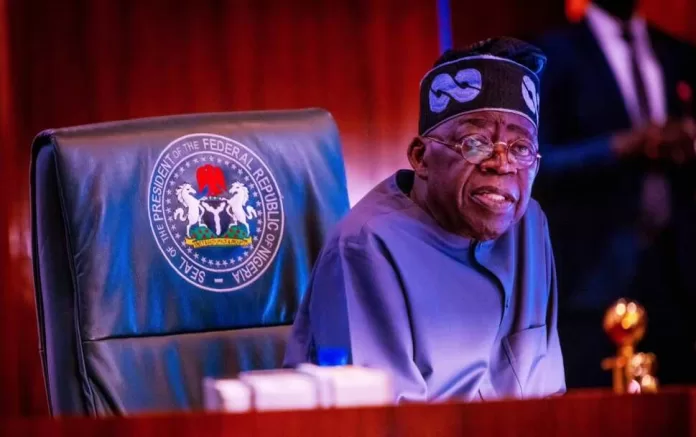
On Thursday night, President Bola Tinubu arrived back in Abuja from Johannesburg, South Africa, where he had gone with other African dignitaries to see President Cyril Ramaphosa take office for a second term.
Around 5:30 p.m., President Tinubu landed in Abuja.
Remember that the President traveled from Abuja to Lagos for the Eid-el-Kabir celebrations last Friday? On Wednesday, he departed for Johannesburg to attend President Ramaphosa’s election ceremony.
In addition to attending the inauguration event, President Tinubu met privately with Ramaphosa during the latter’s visit to the Nigerian leader at his hotel while he was in South Africa.
The President’s Special Advisor on Media released a statement Chief Ajuri Ngelale, in charge of publicity, added that during the private discussion,
The two leaders recognized the commonalities in the problems that African nations confront and decided that cooperation was necessary to find solutions.
President Tinubu stated in a statement that President Ramaphosa’s inaugural address effectively encapsulated the majority of the problems that African nations confront and the necessity of increased cooperation between public officials and the general populace to find answers.
‘Your remarks at the ceremony were incredibly enjoyable. I had a ‘great time listening to you.’ We should collaborate more closely because we have a lot of challenges in common. According to quotes, Tinubu said, ‘It was a good celebration.’
Following the court’s decision on Thursday, the Kano State government has stated that Muhammadu Sanusi’s Emir of Kano continues to hold that position.
This comes right after the state commissioner of police received an order from the government to remove Aminu Ado Bayero, the 15th Emir of Kano, from the Gidan Nassarawa tiny palace so that it could be demolished.
The directive was given to reporters at the government house by the state’s attorney general and commissioner of justice,
Haruna Isa Dederi, together with Baffa Bichi, secretary to the state government.
Dederi stated that since the government has already made plans for the general rehabilitation and renovation of the site, including the demolition of existing structures,
Bayero had to be taken out of the government-owned land where he was trespassing. and the quick rebuilding of the crumbling brick fence.
The statement says, ‘As you may remember, we promised to keep you updated on any developments with our emirate cases during our most recent press briefing.
The Federal High Court No. 1, Kano, issued its decision about the case that was presented to it today, June 20, 2024.
I have the honor to address you once more regarding the ongoing legal issues resulting from the dissolution of the Five (5) emirates and the deposition of the former emirs on ‘behalf of His Excellency Governor Abba K.’
Yusuf and the Kano State Government. (includes the eight metropolitan local governments’ deposed emir)
‘The Government of Kano State accepts the decision made by the With respect to the Kano Emirates Council (Repeal) Law, 2024, the Federal High Court sees it as a safeguard of the rule of law.
The statute, ratified by the Kano State House of Assembly and approved by His Excellency the Executive Governor of Kano State on Thursday,
May 23, 2024, by 5:10 p.m., has been categorically reaffirmed as lawful by the court’s decision.
‘This portion of the ruling is crucial to the whole situation. The decision also implies that the Government’s previous measures, up until the appearance of the Supreme Court’s temporary order, are equally justified.
This indicates that the Five Emirates, established in 2019, are to be abolished, and their deposition is likewise supported by the High Court of the Federal Reserve.
This suggests that Muhammadu Sanusi II is still the Kano emir. Additionally, the judge approved our request for a suspension of proceedings until the Court of Appeals resolved the jurisdictional challenge.
‘We are happy that the law was signed on May 23, 2024, and that His Highness, Emir Muhammad Sunusi II, was reinstated before the Interim Order emerged and was served to us on Monday, May 27, 2024.
‘Given that general reconstruction and renovation arrangements have already been finalized,
The Kano State Government has ordered the State Commissioner of Police to remove the deposed emir of the eight metropolitan local governments from federal property, which he is breaking in response to this Court’s ruling.
Breaking: Sanusi’s Emir
including the immediate demolition and rebuilding of the deteriorated wall fence on the site.
‘I would like to extend my congratulations to the excellent people of Kano State and urge them to maintain their peaceful demeanor as they smoothly enjoy their achievements. May Allah SWT keep guard over our government and state.
The Federal Government has been given a three-week ultimatum by the Academic Staff Union of Universities (ASUU). ASUU threatens new strick to comply with its demands or face labor unrest.
At an emergency news conference conducted at the FUD, ASUU Secretariat in Dutse, Comrade Salim Ahmed,
He stated that ‘to contemplate and take an examination at the nationalistic appointments of the Union together with the Federal and State governments on the greatest way to address all the remaining challenges bedeviling Nigerian Public Universities,’
the members of the Further Development Executive Officers of the ASUU Federal University Dutse met today, Wednesday, June 19, 2024.
He claimed that ASUU had noted that the current administration has consciously He said that since the Union’s founding on May 29, 2023, ASUU has noted that the current administration has willfully disregarded the Union’s leadership.
‘Every attempt made by the Union’s leadership to get the government to call a meeting and hear ASUU’s concerns to resolve the conflicts by the International Labour Organization’s (ILO) collective bargaining principle has been unsuccessful,’ he stated.
According to Ahmed, all of the major concerns raised by ASUU members—university autonomy, funding for the revitalization of Nigerian universities,
and the expansion of public universities—are covered in the 2009 FGN/ASUU agreement that was renegotiated.
He continued by saying that all of the contentious points listed in the FGN/ASUU MoU 2012/2013 are among the fundamental problems relating to the condition of service.
With the MoA of 2017, which released three and a half (7) months of the outstanding three and a half (7) months of withheld salary for work that had already been completed,
and illegally dissolved the governing councils at federal and state universities.
‘Others include the payment of Earned Academic Allowance (EAA), the implementation of the Visitation Panels’ report, the release of third-party deductions made by IPPIS,
the unpaid salaries of our members who are on sabbatical, adjunct, etc., as a result of IPPIS’s inadequacy and inefficiency, and the adoption of UTAS instead of IPPIS.
‘In light of all of this, members of our wonderful union in this branch, as well as those in the other branches,
believe that the federal government is unprepared to take significant action to resolve the unresolved problems. Therefore,
The union decided to hold a press conference following the National Secretariat’s directives to inform parents and other stakeholders in higher education about the situation and to make them aware of the government’s failure to address these persistent issues.
‘The actual state of affairs should be known to the general public.’
Ahmed revealed that the union would put mechanisms in place to further mobilize its members and educate them for further action over the next three weeks.
ASUU threatens new strick
‘The union urges all intelligent, well-meaning people to persuade the Nigerian government to address these unresolved matters and arrange a meeting with our union leadership to prevent an unneeded and needless industrial crisis in our academic system, which is already feeble and fragile,’ Ahmed said.
Two presidential aides have offered contrasting views on the matter in response to Aisha Yesufu’s comments regarding Tinubu’s purported rejection by Ramaphosa: Bayo Onanuga and O’tega Ogra, Senior Special Assistant on New Media.
The President’s harsh response to Aisha Yesufu’s recent tweet attacking President Bola Tinubu for being overlooked in South Africa has struck her hard.
President Tinubu was purposefully disregarded and publicly humiliated by South African President Cyril Ramaphosa during his inauguration ceremony.
according to a post made by Yesufu on Wednesday that sparked a strong reaction from the president.
‘My people say that if you don’t have a word for a house, you go shame yourself outside,’ she wrote. Tinubu was humiliated in South Africa once more.
Yet, two aides to the president, Senior Special Assistant on New Media O’tega Ogra and Bayo Onanuga,
have both issued counterstatements to Aisha Yesufu’s allegations about Tinubu’s purported rejection by Ramaphosa, providing a different perspective on the matter.
Aisha Yesufu’s remarks were criticized by Ogra, who claimed that she was encouraging ‘ignorance and shameful behaviour’ in an attempt to get likes and retweets.
This implied that Yesufu’s remarks were shallow and attention-grabbing.
Ogra explained that President Ramaphosa was called back to the platform before he could greet additional dignitaries and that the front row was reserved for members of the South African royal family.
In order to disprove accusations of a snub, he also emphasized that Ramaphosa later received visiting heads of state in the second row, after the national anthem.
According to Ogra, Aisha has the constitutionally protected right to free speech.
However, her repeated acts of shameful behavior and blatant ignorance, which appear to be motivated by a desire for likes and retweets, in the name of her professed hatred and disdain for Nigeria, are abhorrent.
For the record:
South African kings and royalty were allowed to sit in the first row during today’s inauguration.
The inaugural compere politely invited the South African President back to the platform because it wasn’t thought that he would be welcoming dignitaries at the time of the video you provided.
President Ramaphosa greeted the visiting presidents, who were all seated in the second row, as soon as the anthem ended. The arrangement of the third-row seats for visiting presidents on May 29, 2023, during Nigeria’s own inauguration.
‘Madam Yesufu, #AishaYesufu, you have demonstrated a remarkable capacity to fully personify and embody the extremely toxic, combination that is created by your constant ignorance and hatred.
‘A word of caution: Nigeria will succeed whether or not you personally hate them. I sincerely hope that this month you get your entire ‘Elon Cheque.’
In addition, Onanuga attacked Aisha Yesufu and her followers, calling them a ‘vulgar and pessimistic mob’ who are still upset about their favorite candidate finishing third in the 2023 elections. It appears that these criticisms are driven by personal issues.
Aisha and her impolite rabble of pessimists are always ready to jump to conclusions with any hint of what seems to them to be detrimental to the head of the largest democracy in Africa.
More so than the followers of the man who finished second, they have remained toxic and resentful for over a year following the 2023 election, in which their candidate finished third.
The presidency condemns Aisha Yesufu’s remarks about Tinubu.
The All Progressives Congress (APC), seeking to take over Rivers State,
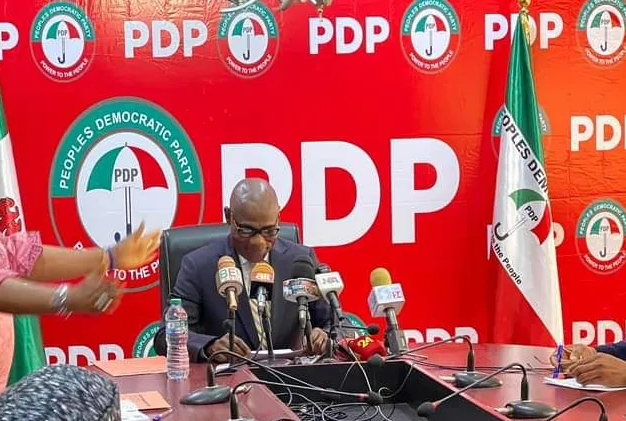
has been mocked by the Peoples Democratic Party (PDP) for its inability to instigate a crisis and suppress the will of the Rivers people.
The party’s national publicity secretary, Hon. Debo Ologunagba, released this statement on Wednesday.
‘The Peoples Democratic Party (PDP) has been alerted to the results of yet another hallucinatory press conference held by Tony Okocha, the All Progressives Congress (APC) Caretaker Chairman of Rivers State,
whereby he again dreamt that ‘This negligent demonstration by Tony Okocha further demonstrates the sinister plot by the APC in Rivers State, which has been looking for ways to instigate crisis,
passionately overthrow the Constitutional Order, and impose an anti-democratic regime in Rivers State in an obvious infraction of Section 1 sub-section 2 of the Federal Republic of Nigeria, 1999 (as amended).’
The APC has the ability to overthrow the will of the people of Rivers State, as demonstrated during the governorship election that produced Governor Siminalayi Fubara.
The word ‘war,’ as Mr. Okocha used in his careless statement, betrays a malicious intent that the people of Rivers State have fiercely opposed and will continue to oppose.
‘The APC in Rivers State needs to take note that its nefarious plan to create unrest and seize power by force has not succeeded. The PDP is strong in Rivers State, where the populace firmly supports the party’s government.
The PDP demands that Mr. Tony Okocha be immediately restrained and warned to cease acting as a destabilization agent and a threat to Nigerian democracy, as well as the Federal Government and the APC’s national leadership.
‘Our Party insists that the Inspector General of Police extend an immediate invitation to the Rivers State APC Caretaker Chairman and hold him accountable for his statements, which pose a direct and present threat to Nigeria’s democracy. in Rivers State, to calm and peace.
The global community should also recognize that this person’s reckless behavior and statements could seriously threaten the security of the entire nation.
‘For the umpteenth time, the PDP urges the APC to abandon the idea of occupying Rivers State by force because its attempts to subvert the people’s will always fail.
The PDP demands that the people of Rivers State maintain their composure and cooperate in support of the PDP administration’s efforts to bring about the benefits of democracy in the state.
The allegations made by the PDP against the APC underscore the need for transparency, accountability, and a commitment to peaceful coexistence.
By addressing the root causes of the crisis and promoting dialogue over discord, there is hope for a future where Rivers State can reclaim its status as a beacon of progress and unity.
Anyone who has ever experienced a hangover knows how unpleasant it can be. The throbbing headache, nausea, and general malaise can ruin an entire day. However, there are ways to mitigate these symptoms, and one of the most effective methods is to eat the right foods before drinking. In this comprehensive guide, we will delve into what toeat before drinking to avoid hangovers. We’ll explore various types of foods, explain why they help, and offer practical tips to ensure you can enjoy your night out without paying the price the next day.
Why Eating Before Drinking Matters
Before we dive into specific foods, it’s essential to understand why eating before drinking alcohol can help prevent hangovers. Here are some key reasons:
Slows Absorption of Alcohol: Food in the stomach slows the absorption of alcohol into the bloodstream, reducing its immediate effects and giving your body more time to metabolize it.
Maintains Blood Sugar Levels: Drinking on an empty stomach can lead to low blood sugar levels, contributing to hangover symptoms like fatigue and irritability.
Provides Essential Nutrients: Consuming nutrient-dense foods before drinking ensures that your body has the necessary vitamins and minerals to combat the dehydrating and inflammatory effects of alcohol.
Prevents Dehydration: Certain foods can help maintain hydration levels, reducing the likelihood of severe hangover symptoms.
Best Foods to Eat Before Drinking
1. Healthy Fats
Healthy fats are excellent for slowing the absorption of alcohol. They coat the stomach lining, which helps reduce the rate at which alcohol enters the bloodstream. Here are some healthy fat options:
Avocados: Rich in monounsaturated fats and potassium, avocados can help maintain electrolyte balance.
Nuts and Seeds: Almonds, walnuts, and chia seeds provide a good mix of healthy fats, fiber, and protein.
Olive Oil: Use it as a salad dressing or in cooking to add healthy fats to your meal.
2. Lean Proteins
Chicken Breast: A lean source of protein that can be easily added to salads or sandwiches.
Turkey: Another lean protein option that’s rich in tryptophan, which can help stabilize mood.
Greek Yogurt: High in protein and probiotics, Greek yogurt can be a good base for smoothies or snacks.
Proteins take longer to digest, which helps slow down the absorption of alcohol. They also help maintain muscle mass and energy levels.
3. Complex Carbohydrates
Complex carbohydrates provide a steady release of energy and help keep blood sugar levels stable, reducing the risk of alcohol-induced hypoglycemia.
Whole Grains: Brown rice, quinoa, and whole grain bread are excellent sources of complex carbs.
Oats: Oatmeal or overnight oats are convenient options that can be customized with various toppings.
Sweet Potatoes: Rich in vitamins and fiber, sweet potatoes are nutritious and filling.
4. Hydrating Fruits and Vegetables
Staying hydrated is crucial when drinking alcohol, as it is a diuretic and can lead to dehydration. Consuming water-rich fruits and vegetables can help maintain hydration levels.
Watermelon: Composed of over 90% water, watermelon is an excellent hydrating snack.
Cucumbers: are another hydrating vegetable that can be added to salads or eaten as a snack.
Oranges: High in vitamin C and water content, oranges can boost your immune system and keep you hydrated.
5. Electrolyte-Rich Foods
Alcohol consumption can lead to an imbalance of electrolytes, causing symptoms like muscle cramps and fatigue. Foods rich in electrolytes can help counteract this effect.
Bananas: High in potassium, bananas are a quick and easy snack to maintain electrolyte balance.
Spinach: Rich in magnesium and potassium, spinach can be added to salads, smoothies, or sautéed as a side dish.
Coconut Water: Naturally high in electrolytes, coconut water can be consumed on its own or added to smoothies.
Specific Meal Ideas
To help you incorporate these foods into your pre-drinking routine, here are some specific meal ideas:
Breakfast
Avocado Toast with Whole Grain Bread: Top whole grain bread with mashed avocado, a sprinkle of salt, and a squeeze of lemon juice.
Greek Yogurt Parfait: ‘Layer Greek yogurt with fresh berries, nuts, and a drizzle of honey;’
Overnight Oats: Combine oats with milk or a milk alternative, chia seeds, and your favorite fruits. ‘Let it sit overnight in the fridge;’
Lunch
Grilled Chicken Salad: Mix grilled chicken breast with a variety of vegetables like spinach, cucumbers, and bell peppers. Dress with olive oil and lemon juice.
Quinoa Bowl: Combine cooked quinoa with black beans, sweet potatoes, avocado, and a lime vinaigrette.
Turkey and Avocado Wrap: Use a whole grain wrap, and fill with sliced turkey, avocado, spinach, and a light spread of hummus.
Dinner
Salmon with Sweet Potato and Spinach: Bake or grill salmon and serve with roasted sweet potatoes and sautéed spinach.
Chicken Stir-Fry: Sauté chicken breast with a mix of colorful vegetables and serve over brown rice.
Vegetable Pasta: Use whole grain or legume-based pasta, and mix with a variety of vegetables and a light olive oil sauce.
Additional Tips to Avoid Hangovers
1. Stay Hydrated
One of the most important things to do before, during, and after drinking is to stay hydrated. Drink a glass of water before you start drinking alcohol and continue to alternate between alcoholic beverages and water throughout the night.
2. Choose Your Drinks Wisely
Certain alcoholic drinks are more prone to causing hangovers than others. Clear spirits like vodka and gin typically have fewer congeners (byproducts of fermentation) compared to darker spirits like whiskey and rum. Choosing drinks with lower congener levels can help reduce the severity of hangovers.
3. Pace Yourself
Drinking alcohol slowly gives your body more time to metabolize it and can reduce the risk of a hangover. Try to sip your drinks rather than gulping them down and take breaks between drinks.
4. Avoid Mixing Different Types of Alcohol
Combining various kinds of alcohol can heighten the chances of experiencing a hangover. Stick to one type of drink throughout the night to minimize this risk.
5. Take Supplements
Certain supplements can help reduce the severity of hangovers. Consider taking vitamin B complex, vitamin C, and magnesium supplements before and after drinking to support your body’s recovery.
Recap and Key Points
To summarize, eating the right foods before drinking can significantly reduce the risk of hangovers. Here are the key points to remember:
Healthy Fats: Avocados, nuts, seeds, and olive oil can slow the absorption of alcohol.
Lean Proteins: Chicken breast, turkey, and Greek yogurt help maintain energy levels and slow alcohol absorption.
Complex Carbohydrates: Whole grains, oats, and sweet potatoes provide steady energy and stabilize blood sugar levels.
Hydrating Fruits and Vegetables: Watermelon, cucumbers, and oranges help maintain hydration.
Electrolyte-Rich Foods: bananas, spinach, and coconut water balance electrolytes.
There are several ways available to relieve these symptoms. Discover what foods you are to eat before drinking to avoid experiencing hangovers the next day.
In addition to these foods, remember to stay hydrated, choose your drinks wisely, pace yourself, avoid mixing different types of alcohol, and consider taking supplements to further reduce hangover symptoms.
By incorporating these strategies into your pre-drinking routine, you can enjoy your night out without the dreaded hangover the next day.
What to eat before drinking to avoid hangovers: As you enjoy your meal, be sure to hydrate well and pace yourself while drinking. Drinking plenty of water throughout the evening can help reduce the effects of alcohol.
Best foods to prevent hangovers: Some foods to prevent hangovers include bananas, ginger, eggs, and asparagus. These foods can help replenish essential nutrients, and aid in digestion.
Hangover prevention tips: it’s important to drink alcohol in moderation, stay hydrated by drinking water between alcoholic beverages, and eat a meal before drinking to slow down alcohol absorption.
Foods to eat before drinking alcohol: Eating foods high in protein and healthy fats, such as nuts, cheese, and lean meats, can help slow down the absorption of alcohol into your bloodstream.
How to avoid hangovers: Drink plenty of water throughout the night to stay hydrated. Alcohol dehydrates the body, contributing to hangover symptoms.
Conclusion
Avoiding a hangover is about what you do after drinking and how you prepare beforehand. By eating the right foods, staying hydrated, and making smart choices about your drinking habits, you can significantly reduce the risk of a hangover.
Remember, moderation is key, and taking care of your body before, during, and after drinking is the best way to ensure you can enjoy your time without the unpleasant aftermath.
Dr. Mathew Adepoju, the Director General of the National Space Research and Development Agency (NASRDA), unveiled a groundbreaking initiative in Abuja.
Nigeria has teamed up with the Space Exploration and Research Agency (SERA) via a Memorandum of Understanding (MoU) to push forward this notable project.
representing a key moment in Nigeria’s 25th year of space exploration.
Dr. Adepoju stressed that this partnership positions Nigeria among countries actively involved in crewed space missions,
creating fresh prospects for scientific exploration and technological progress.
He also highlighted the potential of this endeavor to spur technological advancement and foster interest in STEM disciplines among Nigerian youth.
At the ceremony, representatives from both agencies expressed optimism about the project’s potential to elevate Nigeria’s status in the global space community and drive innovation in space technologies.
The collaborative effort is set to enhance Nigeria’s capabilities in satellite development, earth observation,
And space exploration, marking a significant milestone in the country’s space program. With a strong emphasis on knowledge sharing and capacity building,
The partnership aims to inspire the next generation of Nigerian scientists and engineers to pursue careers in aerospace and advance the frontiers of space exploration.
The Godswill Akpabio statement quickly sparked controversy, with many questioning the validity of such a claim. Critics pointed out that correlation does not imply causation,
and others emphasized the importance of examining the root causes of banditry rather than attributing it to a change in the national anthem.
Despite the backlash, Akpabio stood by his remarks, urging for a thorough investigation into the matter.
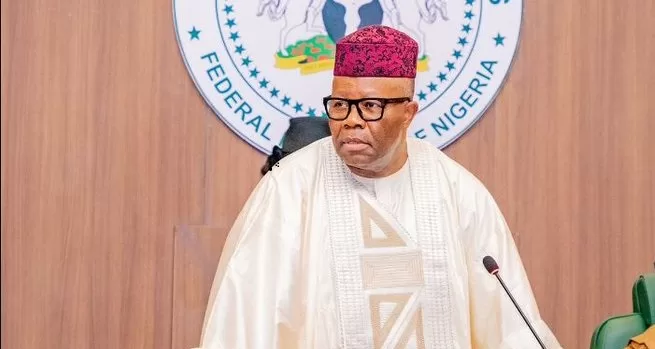
Nigeria might not be dealing with banditry today, according to Senate President Godswill Akpabio, if the nation had not altered its national song in 1978.
Akpabio said as much on Tuesday when he visited the Nigerian Institute of Legislative and Democratic Studies (NILDS).
Unveiling the Surprising Link Between Nigeria’s National Anthem and Banditry
Have you ever stopped to think about the deep-rooted connections between a country’s national symbols and its societal challenges?
Recently, the Nigerian Minister of Niger Delta Affairs, Godswill Akpabio, sparked a controversial discussion by suggesting a possible link between the 1978 national anthem of Nigeria and the alarming rise in banditry within the country.
Let’s delve into this thought-provoking topic and explore the intriguing revelations that have emerged.
The Beginning: Akpabio’s Startling Claim
In a bold statement during a public address, Minister Godswill Akpabio raised eyebrows as he brought attention to a seemingly unconventional theory regarding the origins of banditry in Nigeria.
According to Akpabio, the lyrical content and symbolism embedded in the national anthem, adopted in 1978 after the nation transitioned to a democratic government, could have unforeseen implications for the current state of insecurity plaguing the country.
Decoding the National Anthem’s Message
The national anthem of a country is not merely a composition of music and lyrics but a reflection of its values, aspirations, and collective identity.
Akpabio’s assertion posits that certain elements within the 1978 national anthem may have inadvertently set a tone or conveyed underlying messages that could influence societal behaviors, including the perpetuation of criminal activities like banditry.
Examining the Societal Impact
Banditry, characterized by acts of robbery, violence, and lawlessness, has become a significant threat to the peace and security of Nigerian communities.
By exploring the historical context of the national anthem’s composition and the societal shifts since its adoption,
we aim to uncover any plausible connections between the anthem and the prevalence of banditry in contemporary Nigerian society.
Perspectives and Reactions
Akpabio’s proposition has elicited a range of reactions from various sectors of Nigerian society.
While some view his claims as speculative and unfounded, others consider the potential influence of national symbols on collective behavior as a plausible factor in addressing complex issues such as banditry.
As voices weigh in on this contentious debate, the discourse surrounding the national anthem’s impact gains momentum and invites deeper reflection.
Reflecting on the Interplay of Symbols and Society
As we conclude our exploration into the intriguing correlation, proposed by Minister Godswill Akpabio,
it becomes evident that the interplay between national symbols and societal dynamics is a complex and multifaceted realm deserving of further investigation.
Whether the 1978 national anthem holds any significant connection to the rise in banditry remains a subject of conjecture and contemplation, underscoring the profound influence that symbols wield over collective consciousness and behaviors within a nation.
In closing, let us remain vigilant in scrutinizing the subtle influences embedded within our cultural artifacts and symbols, recognizing their potential implications on shaping the fabric of our societies.
Perhaps, amidst the discordant notes of controversy and speculation, lies an opportunity to decipher the symphony of meanings that define our national identity and aspirations.