Home Blog Page 7

What are the new policies regarding dormant accounts at UBA?

0
What are the new policies regarding dormant accounts at UBA?

As banking trends evolve and customer engagement becomes increasingly significant, financial institutions like the United Bank for Africa (UBA) are taking steps to adapt their policies. One change that has sparked interest among customers is UBA’s new policies regarding dormant accounts.

Whether you’re an existing customer or considering opening a new account, understanding these changes is crucial for managing your finances effectively.

In this blog post, we’ll explore UBA’s new policies on dormant accounts, their implications, and how you can stay proactive in maintaining your account activity.

1: What is a Dormant Account?

Before diving into UBA’s policies, let’s clarify what a dormant account is. A dormant account refers to a bank account that has had no customer-initiated activity for a specified period, typically between six months to one year. For banks, maintaining inactive accounts can pose operational challenges and potential financial risks. This is why many banks, including UBA, have set policies to address dormant accounts proactively.

2: UBA’s New Policies Explained

In recent months, UBA has implemented a series of revised policies aimed at managing dormant accounts more effectively. Here are the key components of these new policies:

  1. Redefinition of Dormancy Period: UBA has updated the duration after which an account is considered dormant. The new policy may offer extended periods for accounts based on account type, enhancing accessibility for customers.
  2. Activity Notifications: To keep customers informed, UBA now sends regular updates regarding account activity. Customers will receive notifications about their account status, encouraging them to engage more actively with their accounts.
  3. Maintenance Fee Adjustments: With the rise of dormant accounts, UBA has introduced a new fee structure for accounts that fall into this category. Customers should be aware of potential maintenance fees and regularly check their account status to avoid unwanted charges.
  4. Reactivation Procedures: UBA has simplified the procedures for reactivating dormant accounts. Now, customers can easily reactivate their accounts through online platforms or by visiting the nearest branch. This improvement aims to encourage customers to reclaim their accounts rather than abandon them.

3: The Implications for Customers

Understanding these new policies is vital for UBA customers. Here are a few implications to keep in mind:

  • Stay Active: To avoid your account becoming dormant, it’s essential to maintain regular transactions. Whether it’s making deposits, withdrawals, or purchasing services, engaging with your account frequently is key.
  • Review Notifications: Make it a habit to check your notifications from UBA, as they will provide valuable insights into your account status and prompt you to take necessary actions if needed.
  • Consider Your Banking Needs: If you believe your account may be heading towards dormancy, reassess your banking habits. UBA offers various services that could fit your lifestyle, such as automatic transfers or subscriptions.

Conclusion: Be Proactive with Your UBA Account

UBA’s new policies on dormant accounts signify a shift towards greater engagement and transparency between the bank and its customers. As a UBA customer, staying informed and proactive is key to managing your financial health effectively.

By understanding the definitions, policies, and implications of dormant accounts, you can ensure that your funds remain secure and accessible. Whether you are a new customer or have been banking with UBA for years, taking the time to interact with your account can make a significant difference in your financial journey. Always remember: an active account is a healthy account!

UBA’s New Guidelines for Dormant Accounts: What You Need to Know

0
UBA's
Image of UBA logo

UBA has issued a crucial update about inactive and dormant accounts that may greatly affect customers. It is recommended that customers check their account activity and familiarize themselves with UBA’s policies. For accurate information, please verify this directly with UBA.

In a message to customers on Wednesday, UBA noted that, following a directive from the Central Bank of Nigeria (CBN), savings accounts not utilized for a specified period will now be categorized as inactive or dormant.

Customers are urged to take this directive seriously, as it may lead to fees or restrictions on account access for those who do not act.

UBA emphasizes the importance of regular account monitoring to avoid any unintended consequences.

To check the status of their accounts, customers can easily access their online banking portal or mobile app. UBA’s customer service is also available to assist with any inquiries or clarifications regarding the inactive and dormant account policies.

It is crucial for account holders to understand that an account may be considered dormant after a period of inactivity, typically ranging from six months to one year.

Once classified as dormant, additional steps may be required to reactivate the account, which could include submitting identification and completing updated documentation.

In this context, UBA encourages its customers to stay informed and proactive in managing their finances. Engaging regularly with your bank account not only helps in maintaining an active status but also ensures that customers enjoy the full range of benefits and features that UBA offers.

UBA’s

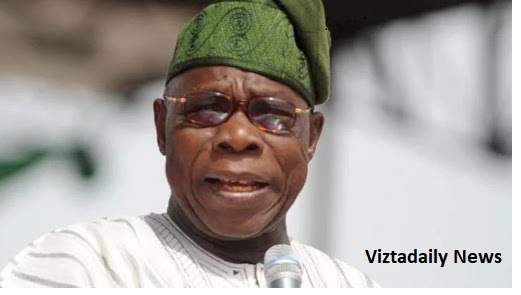
Obasanjo described President Bola Tinubu as ‘baba go slow.’

1
Obasanjo described President Bola Tinubu as 'baba go slow.'

President Bola Tinubu has been called ‘baba-go-slow’ by former President Olusegun Obasanjo. This statement was made by Obasanjo during his keynote speech at the Chinua Achebe Leadership Forum, which was held over the weekend at Yale University in New Haven, Connecticut, USA.

‘Nigeria’s situation is dire, as the world can see and understand,’ Obasanjo stated.

According to ‘Leadership Failure and State Capture in Nigeria,’ a country’s turmoil, insecurity, conflict, discord, division, disunity, despair, youth restlessness, confusion, violence, and underdevelopment increase with its level of immorality and corruption.

‘Nigeria Situation: As we can see and understand, Nigeria’s situation is bad,’ stated Obasanjo.

A nation’s likelihood of experiencing turmoil, insecurity, conflict, dissension, and division increases with its level of immorality and corruption. confusion, violence, youth restlessness, sadness, division, and underdevelopment.

That was the case mostly in Nigeria during Baba-go-slow and Emilokan’s rule.

It is evident that Nigeria is a failing state, and the consequences of our widespread corruption, mediocrity, immorality, misconduct, mismanagement, perversion, injustice, incompetence, and other forms of iniquity are too obvious for any honest person to ignore. There is, nevertheless, hope.

While paraphrasing Chinua Achebe’s brief, classic 1983 work, ‘The Trouble with Nigeria,’ Obasanjo acknowledged that ‘the trouble with Nigeria is simply and squarely a failure of leadership.’

There isn’t really anything wrong with Nigerians. The land, climate, water, and air of Nigeria are all in perfect condition.

Anything different, Nigeria’s issue is that its leaders are unable or unable to take on the responsibilities and challenges of setting a good example, which are essential components of effective leadership.

Even with his critical assessment, Obasanjo offered some optimism for the future.

He said, ‘But yes, there is hope,’ implying that if the country attempts to address its ingrained problems, change may be possible.

Obasanjo

Victor Osimhen’s heartfelt tribute to Mauro Icardi after scoring!

113
Victor Osimhen's Heartfelt Tribute to Mauro Icardi After Scoring!

After scoring for Galatasaray, Victor Osimhen holds up an Icardi shirt, who is unfortunately ruled out with an ACL injury.The crowd erupted in a frenzy, a beautiful tapestry of orange and yellow enveloping the stadium as Osimhen celebrated his goal.

In that moment, the pain of Icardi’s absence seemed to fade, replaced by the unity of the fans who rallied behind their team. The iconic number 9 shirt, once donned by the Argentine maestro, now symbolizes resilience and hope for Galatasaray.

Osimhen’s gesture was a poignant reminder of the team’s depth; even in difficult times, they were determined to push forward.

The striker, having stepped into the spotlight, channeled his teammate’s spirit and lifted the team with every touch and run. As the match progressed, every pass and shot echoed the rhythm of determination, a tribute to Icardi’s contributions that fueled their ambitions throughout the season.

With each minute that ticked away, the players felt the weight of their fallen comrade; they played not just for themselves, but for Icardi—an unyielding bond formed through shared battles.

The atmosphere in the stadium crackled with energy, a sea of supporters chanting and waving flags, affirming their belief in victory. This was Galatasaray’s moment to shine, and together they vowed to make it a season to remember, with Icardi forever in their hearts.As the second half unfolded, the intensity on the pitch escalated, mirroring the fervor of the crowd. Osimhen, emboldened by the collective spirit of the fans, seemed to transcend the ordinary.

With each dribble, he danced past defenders, his feet weaving a story of defiance and ambition. The roar of the supporters surged like a tidal wave, each cheer echoing the heartbeat of a team united in purpose.

In the stands, banners fluttered proudly, emblazoned with messages of support for Icardi, a testament to the bond that transcended injury. “For Icardi!” they chanted, their voices rising in unison, a powerful anthem that reverberated throughout the stadium. It was a reminder that Galatasaray was not merely a team but a family, one that drew strength from its shared struggles and triumphs.

As the clock approached the final minutes, the tension mounted.

Osimhen found himself at the edge of the box, the ball at his feet, and the weight of expectation heavy on his shoulders. He glanced up, momentarily searching the crowd for Icardi’s familiar face, but instead found a sea of orange and yellow, a kaleidoscope of hope and determination.

He took a deep breath, channeling the energy of his teammates and the unwavering support of the fans.

With swift motion, he unleashed a shot that soared past the outstretched hands of the goalkeeper, finding the back of the net with a resounding thud. The stadium erupted into a cacophony of joy, a chorus of celebration that seemed to lift the very roof off the arena.

Osimhen raced towards the corner flag, arms outstretched, embodying the spirit of his fallen comrade. In that moment, he was not just a striker; he was a beacon of resilience, a symbol of the relentless pursuit of glory.

As the final whistle blew, the players embraced, their faces etched with a mixture of elation and determination.

They had not only secured a crucial victory but had also honored Icardi in the most profound way possible—by playing with heart and soul, embodying the very, essence of what it meant to wear the Galatasaray jersey.

The chants continued, echoing into the night, a promise that they would carry Icardi’s legacy forward, fueled by the love of their fans and the unbreakable bond they shared.

In the days that followed, the team would gather around Icardi, sharing stories and laughter, reminding each other of the journey they were on together. Every training session would carry a renewed sense of purpose, every match a tribute to the man who had inspired them all.

They were not just playing for themselves; they were playing for each other, for the memories they had created, and for the dreams that still lay ahead.

Galatasaray was more than a club; it was a testament to resilience, a celebration of unity, and a commitment to honor those who had fought alongside them on the battlefield of football.

Victor Osimhen’s

The rivalry has damaged our relationship. AY and Basketmouth talk about 18 years of conflict.

2
The rivalry has damaged our relationship. AY and Basketmouth
Image of AY and Basketmouth

AY Makun and Basketmouth, two prominent comedians, have discussed their 17-year feud. Since 2006, their ongoing conflict has made headlines, leading to public avoidance of each other, according to VIZTADAILY NEWS.

In September 2024, they made their first public appearance together after reconciling.

On a recent episode of the ‘Glass House’ podcast, AY reflected on the impact of their feud, acknowledging its harmful effects. He remarked, “I didn’t realize when the altercation started; I just noticed it had begun.

I assumed that boys will be boys, and it would continue for years. The rumors spread, and we inadvertently fed into them. Our feud caused some damage.”

Basketmouth added, “People often take sides automatically. Some exploited our conflict. An individual chose to attack me, and now that we’re cool, he might be confused.

Collaboration is better than competition.”AY further elaborated on the need for comedians to support one another rather than engage in rivalry. “In this industry, unity is strength.

When we let personal conflicts overshadow our goals, we risk losing sight of why we started performing in the first place. It’s about making people laugh, not dividing them,” he stated.

Basketmouth nodded in agreement, emphasizing how fans often play a role in exacerbating tensions. “Our audience sometimes wants drama; they feed off the excitement of a feud.

But it’s our responsibility as entertainers to rise above that and show them that laughter brings us together.”

They both expressed a desire to use their reconciliation as a platform for promoting collaboration within the comedy scene. “We want to pave the way for younger comedians, showing them that they don’t have to choose sides.

Instead, they can learn from one another and create something beautiful together,” AY remarked with hopefulness.

As they continue to mend their bond, both AY and Basketmouth are planning a joint comedy project set to premiere next year, aimed at showcasing the power of unity in the comedic arts.

“Laughter should be our common ground, and I believe this project will highlight that,” Basketmouth concluded, a smile spreading across his face.

The future looks bright for these comedic giants, proving that even the most prolonged feuds can end in friendship and collaboration.

AY and Basketmouth

Wizkid began his career as a session musician, according to Banky.

2
Wizkid began his career as a session musician, Banky.

Wizkid’s career began as a studio rat according to renowned music executive Banky W, who referenced the artist’s early struggles before gaining fame. Due to financial constraints, Wizkid often loitered in studios, hoping producers would allow him brief recording sessions.

Banky W, instrumental in launching Wizkid’s career through his record label, Empire Mates Entertainment (EME), noted that despite the label, the singer’s dedication and talent stood out.

Wizkid spent long hours in studios, creating melodies and hooks in anticipation of getting a chance to record. This experience honed his songwriting skills; he is now one of the quickest songwriters Banky W has encountered, able to freestyle a melody that captivates listeners instantly.

Thus, the nickname “Wiz” reflects both his journey and his talent.Wizkid’s perseverance paid off when he finally caught the attention of Banky W, who recognized the potential in the young artist.

Banky’s decision to sign Wizkid to EME was a turning point, as it provided him the platform he desperately needed to showcase his talent.

The relationship between the two blossomed into a mentorship, with Banky guiding Wizkid through the complexities of the music industry.

As Wizkid began to release music, his unique sound—a blend of Afrobeat, reggae, and pop—quickly differentiated him from his contemporaries. Tracks like “Holla At Your Boy” became instant hits, propelling him into the limelight and earning him a loyal fanbase.

Yet, even through his skyrocketing success, Wizkid remained grounded, often crediting his early struggles for fueling his drive and ambition.

In interviews, he frequently shared stories of those late nights spent crafting melodies, his relentless work ethic evident in every beat and lyric he composed.

Wizkid’s ability to draw from personal experiences added authenticity to his music, making it resonate deeply with listeners around the world.

Today, Wizkid stands as a global icon, with collaborations that span continents and genres, yet he often returns to his roots, emphasizing the importance of hard work and dedication.

His journey from a studio rat to a superstar serves as an inspiration to many aspiring artists.

As Banky W succinctly puts it, “Wizkid didn’t just find success; he carved it out from determination and raw talent, proving that with passion, anything is possible.”

Wizkid

The Controversial Transfer: Jacob Zuma and uMkhonto weSizwe’s Financial Secrets

83
The Controversial Transfer: Jacob Zuma and uMkhonto weSizwe’s Financial Secrets

A new controversy has surfaced involving former South African President Jacob Zuma and uMkhonto weSizwe (MK), the former armed wing of the African National Congress (ANC). Allegations suggest that large sums of money were allegedly funneled into Zuma’s personal account, reportedly intended as payments for his loyalty to uMkhonto weSizwe’s cause. These leaked reports have triggered questions about the finances of the ANC’s historic armed struggle division and the lingering influence of veterans’ loyalty on South African politics.

Background on uMkhonto weSizwe and Its Legacy

uMkhonto weSizwe, meaning “Spear of the Nation,” was formed in 1961 as the military wing of the ANC, tasked with fighting apartheid through an armed struggle. Though it was disbanded following South Africa’s transition to democracy, MK’s legacy remains significant. Veterans hold influential roles in the ANC and have played a key part in shaping South Africa’s political landscape. However, with South Africa’s ongoing economic challenges and allegations of corruption within MK’s ranks, concerns over financial mismanagement have frequently surfaced.

Allegations of Misappropriated Funds

Leaked documents allege that funds initially intended to support MK veterans were instead directed to Jacob Zuma’s account. Sources close to the investigation claim that the money was justified as “loyalty payments” for Zuma’s unwavering allegiance to MK’s ideals. Speculations are rising about whether these funds were used to support veterans in need or if they were misdirected for personal enrichment.

The amount and origin of these funds remain unclear, but preliminary figures suggest significant sums. These revelations come amidst a backdrop of numerous corruption allegations linked to former President Zuma, whose presidency was marred by charges of embezzlement and state capture.

Jacob Zuma’s Involvement: Loyalty or Financial Gain?

Jacob Zuma, who served as South Africa’s president from 2009 to 2018, was a prominent MK operative before the end of apartheid. Known for his political influence among MK veterans, he has maintained strong ties with the organization. Many veterans view Zuma as a hero who defended MK’s legacy, yet questions about the source of his financial assets have repeatedly emerged.

As these recent allegations unfold, they raise fresh doubts about Zuma’s leadership and commitment to MK’s legacy. Was this money meant for the welfare of veterans, or is it another instance of Zuma using his position for personal gain?

ANC and Public Response

The Controversial Transfer: Jacob Zuma and uMkhonto weSizwe’s Financial Secrets

The ANC has so far refrained from commenting on these allegations, urging the public to avoid premature conclusions. However, critics argue that silence from ANC leadership does little to address long-standing concerns about corruption and misuse of funds. Many South Africans are calling for transparency, demanding the ANC investigate any financial misconduct involving MK’s funds.

MK Veterans and the Battle for Resources

The challenges faced by MK veterans have been a source of tension for the ANC, especially as many veterans continue to struggle with poverty and lack of access to healthcare and pensions. South Africa’s economic struggles have made it difficult for the government to fulfill promises of financial support for veterans, and accusations of corruption only add to these frustrations.

For MK veterans, the alleged misdirection of funds is a betrayal of their sacrifices. Many have voiced concerns that their needs are overshadowed by internal politics and financial dealings that do not benefit them directly. These veterans, who once fought for South Africa’s freedom, now demand accountability for the handling of funds that were promised to support them.

Calls for Investigation and Transparency

The public outcry has fueled demands for a comprehensive investigation into MK’s financial records and the ANC’s internal dealings. Political analysts believe that this latest scandal could deepen divisions within the ANC, as loyalty to Zuma and the MK legacy conflicts with the party’s ongoing anti-corruption narrative.

The South African government has yet to officially respond to these allegations, but opposition parties and civic organizations are already calling for an independent audit of MK’s finances. The ANC’s commitment to transparency will likely be tested in the coming months as pressure mounts for an open investigation.

Looking Ahead

As the story unfolds, South Africans are left questioning the true legacy of uMkhonto weSizwe and the lasting effects of financial corruption on the nation’s politics. The alleged payments to Zuma could mark another chapter in South Africa’s struggle with political accountability, echoing frustrations from citizens who have grown weary of corruption scandals.

For now, MK veterans and South African citizens await answers about what happened to the funds meant for veterans and why they allegedly ended up in the account of former President Jacob Zuma.

President Tinubu promised key economic reforms under #EndBadGovernance.

4
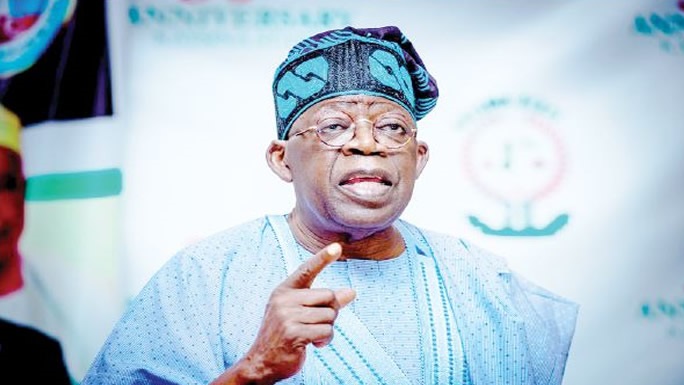
President Bola Tinubu has vowed to implement these changes, saying they are essential to
President Bola Tinubu

All kids who have been arrested or imprisoned in relation to the #EndBadGovernance demonstration must be released immediately, per President Bola Tinubu directive.

During a Monday briefing with State House media, Mohammed Idris, Minister of Information and National Orientation, made the news.

The Attorney-General of the Federation, Lateef Fagbemi, has been directed by the President to start the process of obtaining the minors’ immediate release, Idris said.

‘The President has ordered that all youngsters, no matter where they are in the nation, be released and reunited with their families.

Read Also: President Bola Tinubu has likely finalized his new cabinet list.

A committee has been established to examine the problems related to their arrest, incarceration, and eventual release.

Investigations will be conducted on all law enforcement personnel involved in the matter, and those who are found to be lacking will be taken to ‘book,’ he said.

Additionally, the President instructed the Ministry of Humanitarian Affairs and Poverty Reduction to guarantee these youngsters’ seamless reunification with their parents or guardians nationwide and to offer them immediate welfare support.

Furthermore, the President directed that an administrative committee be established right away to examine all issues pertaining to the youngsters’ arrest, custody, treatment, and eventual release.

The group would be headed by the Minister of Humanitarian Affairs. In addition, the President has ordered that all law enforcement personnel who participated in the arrest and the legal proceedings be examined.

Should any violations be discovered to have been committed by any government official, whether from a law enforcement agency or another suitable authority, disciplinary action will be taken against him or her.
And Idris added.

The order is in response to popular outrage over the prosecution of at least 76 people, including 30 minors, who were charged with treason, property destruction, public disturbance, and mutiny and were arraigned on Friday.

Background information

According to court filings, the federal administration charged 76 people earlier Friday, including 30 juveniles, with treason and instigating a military coup for their roles in August’s deadly rallies against economic hardship.

To express their displeasure with economic reforms that have resulted in skyrocketing inflation and increasing challenges for ordinary Nigerians,

Demonstrators flocked to the streets in August in Abuja, the commercial center of Lagos, and several other cities.

President Bola Tinubu has vowed to implement these changes, saying they are essential to maintaining the nation’s economy.

According to Amnesty International Apparently on the first day of the demonstrations, conflicts with security personnel resulted in the deaths of at least 13 persons.

According to the rights group, since August, Nigerian police have been holding children in custody for demonstrating against the nation’s growing poverty and insecurity.

President Tinubu

How Moniepoint $110 Million Funding Round Changed the Game for Fintech Unicorns

61
How Moniepoint $110 Million Funding Round Changed the Game for Fintech Unicorns

The Nigerian fintech company Moniepoint has become a ‘unicorn’ after raising $110 million from investors, including Google and Development Partners International, a private equity group located in London.

The firm, which is nine years old, revealed this information in a statement to The VIZTADAILY News on Tuesday.

Moniepoint is now valued at over $1 billion for the first time thanks to the financing.

A privately held firm valued at more than $1 billion that is not publicly traded is referred to as a unicorn in the startup ecosystem.

‘The funds raised will be used to accelerate Moniepoint’s growth across Africa, building an all-in-one, seamlessly integrated platform for African businesses of all sizes.’

‘This platform will include services including credit, foreign exchange, digital payments, banking, and business management capabilities, making it a single point of contact for business solutions,’ the startup claimed.

Details will be provided later.

Moniepoint

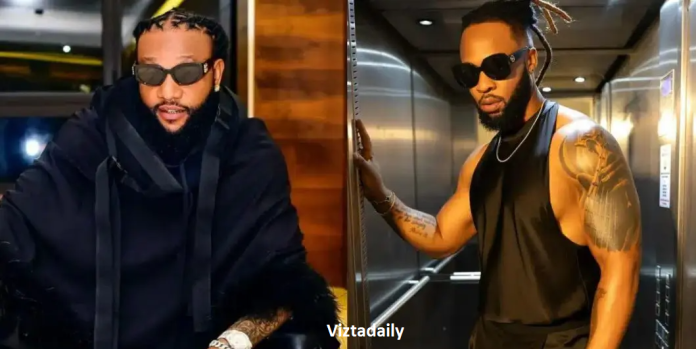
Kcee vs Flavour: The Truth Behind the Rivalry

0
Kcee vs Flavour: The Truth Behind the Rivalry

Nigerian musician Kingsley Chinweike Okonkwo, who is popularly recognized by his stage name Kcee, has recently addressed the allegations made against him regarding the accusation of imitating his fellow artist Flavour.

In his response, Kcee sought to clarify the situation and express his viewpoint on the matter, emphasizing that he has always aimed to carve out his unique identity in the music industry.

According to the VIZTADAILY NEWS, Flavour recently harassed someone online for supposedly stealing his sound.

Although Flavour made no mention of anyone, Kcee took offense and reacted appropriately.

Flavour, he said, was not on his level and he should pick his battles wisely.

Citing his own experience in the music industry, he cautioned Flavour against attempting to censor Igbo indigenous music.

‘Bro,’ Kcee said on his X handle, ‘We are not on the same level. Be careful who you choose to fight.

Give up on attempting to protect Igbo culture. A custodian is not you.

‘This game was played by me before you

‘It is everyone’s.

You are not the owner of this musical genre.

I won’t say I’m sorry; my music honors our background.

Amidst a sea of important stuff. A needle is what you are.

Make sure you get that right.

People are able to identify genuineness. I will not stop proudly showcasing our culture. Invest your efforts on achievement rather than undermining mine.

Kcee vs Flavour